
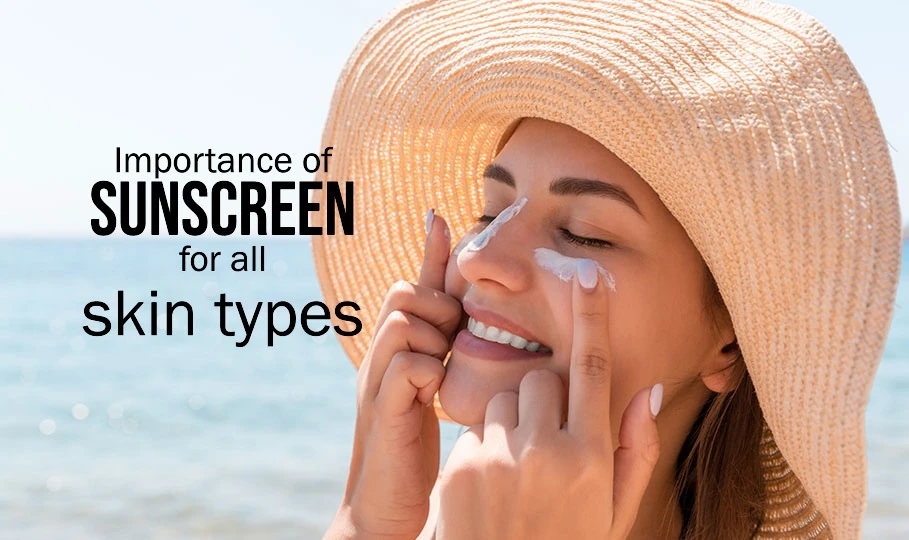
Why Is Sunscreen Important for All Skin Tones? The Truth About UV Protection and Melanin
Why Is Sunscreen Important for All Skin Tones? The Truth About UV Protection and Melanin
Sunscreen is often marketed primarily toward individuals with lighter skin tones, but the truth is that sun protection is essential for everyone—regardless of how much melanin your skin produces. While darker skin does have some natural defense against UV damage, it is by no means immune to the harmful effects of sun exposure. In fact, neglecting sun protection can lead to serious long-term skin health issues for people of all skin tones.
Melanin and UV Protection: A Partial Shield
Melanin, the pigment that gives skin its color, does offer a degree of natural protection against ultraviolet (UV) radiation. Darker skin tones can have a natural SPF of around 13, compared to about 3 for lighter skin, which means they do burn less quickly. However, this does not mean that melanin can block all UV damage. Prolonged or repeated exposure to the sun can still cause:
-
Sunburn
-
DNA damage
-
Hyperpigmentation
-
Accelerated aging
-
Skin cancer
The Risk of Skin Cancer in Darker Skin Tones
A common misconception is that people with darker skin are not at risk for skin cancer. While it is true that the incidence is lower, the outcomes are often worse. This is because:
-
Skin cancer in people with darker skin is often diagnosed at a later stage, when it’s more advanced and harder to treat.
-
Acral lentiginous melanoma, a particularly aggressive type of skin cancer, is more common among people with darker skin and appears on non-sun-exposed areas like palms, soles, and under nails.
-
Delayed diagnosis often results from the mistaken belief that sunscreen isn’t necessary.
Sunscreen Helps Prevent Hyperpigmentation
Another major reason to wear sunscreen—especially for those with melanin-rich skin—is to prevent and reduce hyperpigmentation. Conditions like melasma, post-inflammatory hyperpigmentation (PIH), and dark spots are much more common in medium to deep skin tones. UV exposure worsens these conditions by stimulating more melanin production, making discoloration darker and more persistent.
Premature Aging Affects All Skin Tones
While melanin does slow down some signs of aging (like fine lines and wrinkles), photoaging still occurs. UV rays break down collagen and elastin, leading to loss of skin firmness, uneven texture, and dullness. Sunscreen helps protect the skin’s structure and maintain a youthful appearance across all skin types.
Choosing the Right Sunscreen for Your Skin Tone
One barrier to sunscreen use among people with deeper skin tones is the white cast that some formulas leave behind. Fortunately, modern sunscreens now come in invisible, tinted, or gel-based formulas that blend seamlessly into all skin tones. Look for:
-
Broad-spectrum protection (UVA + UVB)
-
SPF 30 or higher
-
Non-comedogenic and fragrance-free options for sensitive skin
Final Thoughts
Sun protection isn’t just for fair skin—it’s a crucial step for everyone. Whether your skin is light, medium, or deep, wearing sunscreen daily helps prevent cancer, aging, and pigmentation issues. Incorporate a sunscreen that works for your skin type and tone into your routine, and you’ll be making one of the smartest long-term investments in your skin health.
Related Blog
What Are the Signs That You Have Sensitive Skin? Key Symptoms to Help You Identify This Delicate Skin Type
Aug 1, 2025 by Admin
General