
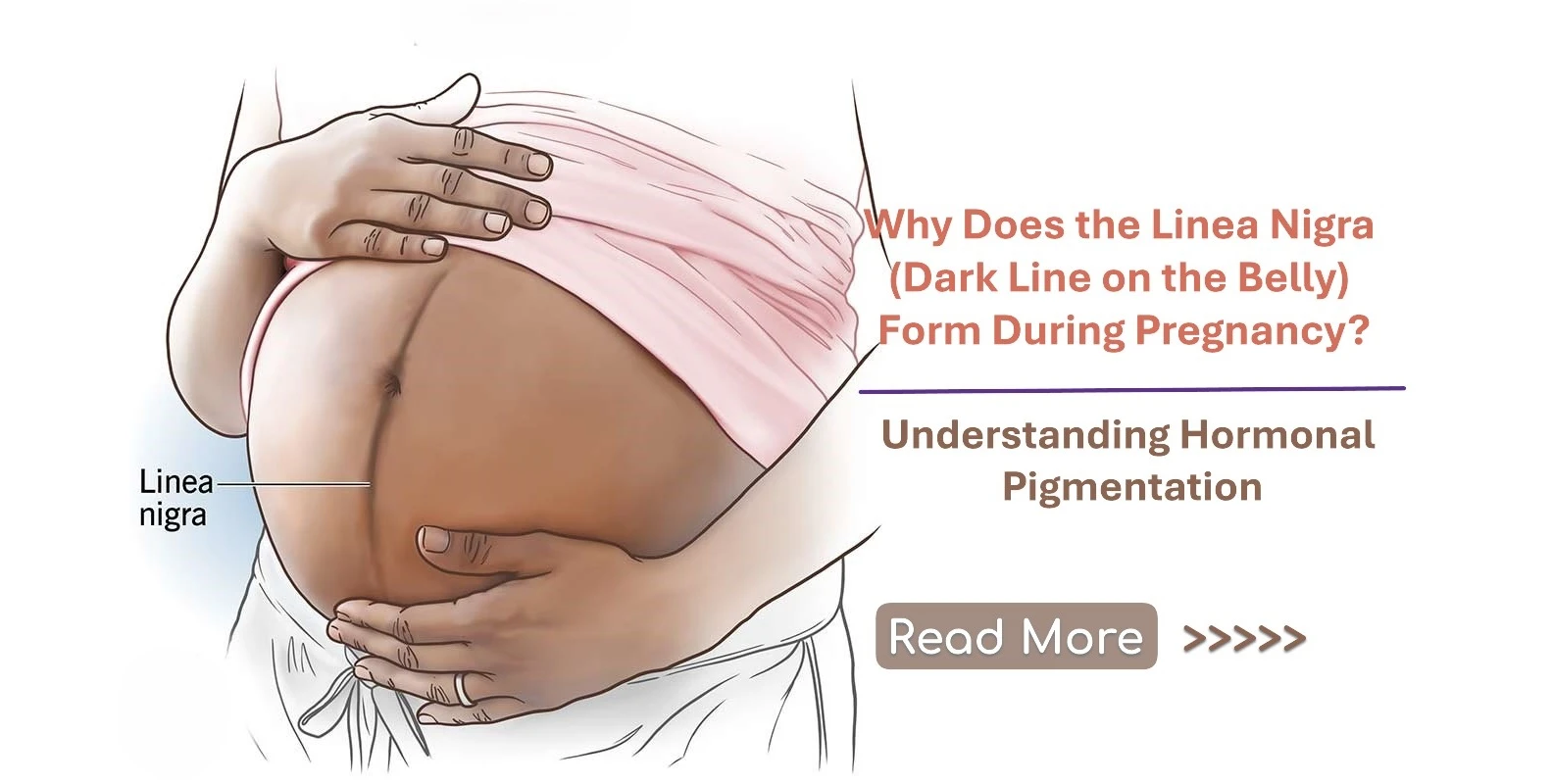
Why Does the Linea Nigra (Dark Line on the Belly) Form During Pregnancy? Understanding Hormonal Pigmentation
Why Does the Linea Nigra (Dark Line on the Belly) Form During Pregnancy? Understanding Hormonal Pigmentation
Pregnancy is full of changes, and many of them appear right on your skin. One of the most common and noticeable is the linea nigra—a dark vertical line that runs down the center of the belly, usually from the belly button to the pubic area (and sometimes extending upwards toward the ribs). Though harmless, it often surprises expectant mothers who wonder why it appears and what it means. Let’s explore why this line forms and the hormonal changes behind it.
What Exactly Is the Linea Nigra?
“Linea nigra” is Latin for “black line,” though the color can range from light brown to dark brown, depending on your natural skin tone. Before pregnancy, most women already have a faint, pale line in the same area called the linea alba (“white line”). This line runs vertically along the midline of the abdomen where the left and right abdominal muscles meet.
During pregnancy, the linea alba often darkens to become the linea nigra, making it much more visible.
Why Does It Happen? The Hormonal Connection
The appearance of the linea nigra is largely due to the hormonal changes that occur during pregnancy, specifically:
-
Increased estrogen and progesterone: These hormones rise significantly and stimulate melanocytes, the pigment-producing cells in the skin.
-
Higher melanin production: As melanocytes become more active, they produce more melanin, which darkens certain areas of the skin.
This hormonal stimulation is why many women also notice other pigmentation changes during pregnancy, such as:
-
Darkening of the nipples and areolas
-
Melasma (the “mask of pregnancy” on the face)
-
Darkening of existing moles, scars, or freckles
The linea nigra is simply part of this broader process called hyperpigmentation, which affects many pregnant women to varying degrees.
Who Is More Likely to Develop a Linea Nigra?
While the linea nigra is common, it doesn’t appear in every pregnancy, and its visibility depends on several factors:
-
Skin tone: Women with medium to darker complexions tend to have more active melanocytes and may notice a darker, more prominent linea nigra.
-
Genetics: Family history can also play a role in whether or not you’ll develop this line.
-
Sun exposure: Just like with melasma, UV rays can deepen pigmentation changes, making the linea nigra darker.
Does It Mean Anything for Baby’s Health?
Some old wives’ tales suggest that the appearance of the linea nigra can predict your baby’s sex—but there’s no scientific evidence to support this. The linea nigra is a normal, harmless sign of your body adapting to pregnancy.
Will It Go Away After Pregnancy?
For most women, the linea nigra gradually fades within a few months after giving birth as hormone levels return to normal. However, in some cases, it may never completely disappear, though it usually becomes much lighter and less noticeable over time.
Can You Prevent It?
Since the linea nigra is hormonally driven, there’s no guaranteed way to prevent it. Still, you can help keep pigmentation from becoming darker by:
-
Using broad-spectrum sunscreen on your belly when it’s exposed.
-
Limiting direct sun exposure.
-
Keeping your skin moisturized to support overall skin health.
In Summary
The linea nigra forms during pregnancy because of hormonal changes that increase melanin production in the skin. While it can seem surprising at first, it’s a completely normal and harmless sign of pregnancy. Most importantly, it often fades after delivery—another reminder of the body’s remarkable journey during this special time.
Related Blog
What Are the Signs That You Have Sensitive Skin? Key Symptoms to Help You Identify This Delicate Skin Type
Aug 1, 2025 by Admin
General