
Why Do Some People Develop Dark Skin on the Back of the Neck? Exploring Causes and Prevention Tips
Why Do Some People Develop Dark Skin on the Back of the Neck? Exploring Causes and Prevention Tips
Noticing dark, velvety patches of skin on the back of the neck can be unsettling, but it’s more common than many realize. This condition often points to underlying health or lifestyle factors, and understanding why it happens is the first step toward addressing it effectively. Here’s a closer look at the main causes of neck darkening and practical ways to help prevent or manage it.
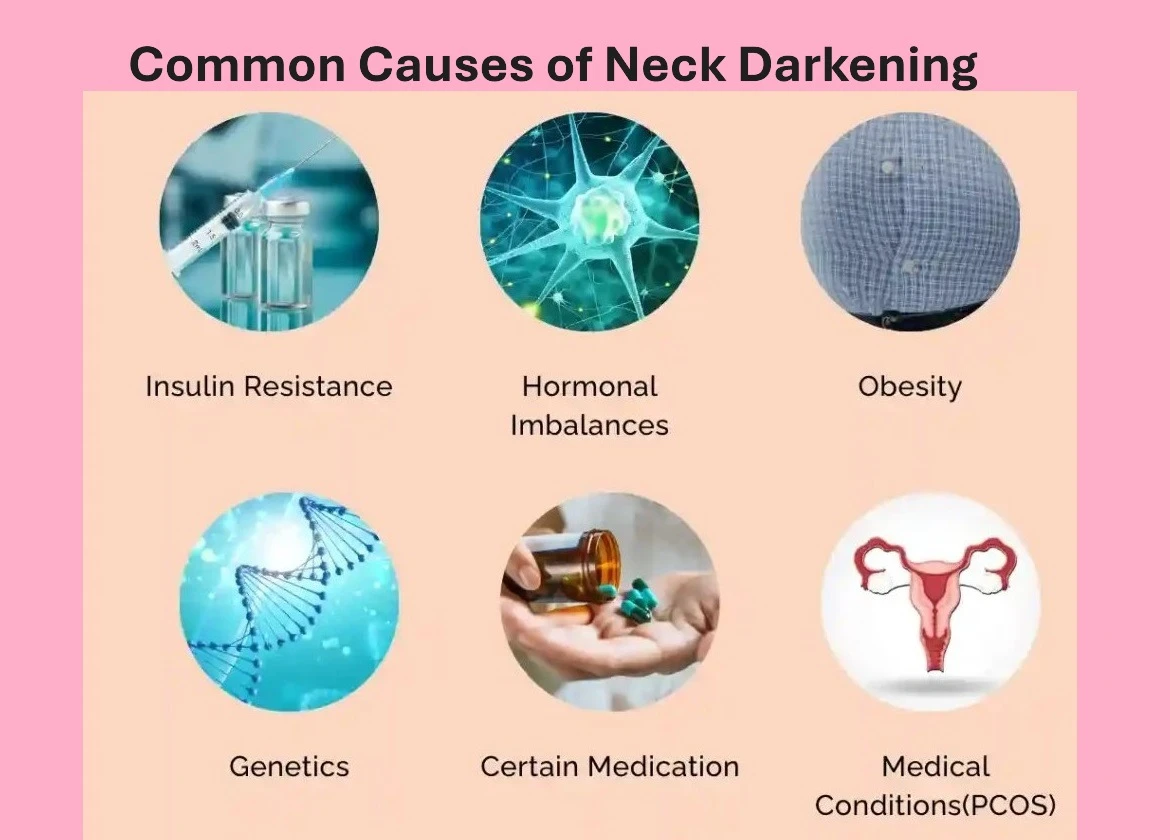
Common Causes of Neck Darkening
One of the most common causes of dark skin on the back of the neck is a condition called acanthosis nigricans (AN). This skin change appears as thickened, slightly raised, and darker patches, often with a soft or velvety texture. AN isn’t a disease itself but rather a sign that something else might be going on inside the body.
Here are some key reasons people develop this darkness:
-
Insulin Resistance and Diabetes
Acanthosis nigricans is closely linked to insulin resistance, a condition where the body doesn’t use insulin effectively. When insulin levels are consistently high, it can stimulate skin cells (keratinocytes and fibroblasts) to produce excess pigment and grow faster, leading to darker, thicker skin. This is why people with type 2 diabetes or prediabetes often notice dark patches around the neck, armpits, or groin. -
Obesity
Being overweight is another significant risk factor. Extra weight increases insulin resistance, raising the chances of developing AN. The friction from skin folds in the neck area can also worsen darkening and thickening of the skin. -
Hormonal Imbalances
Conditions like polycystic ovary syndrome (PCOS), thyroid disorders, or other hormonal problems can trigger changes in skin pigmentation. In some cases, hormonal medications can also play a role. -
Certain Medications
Medications like oral contraceptives, corticosteroids, and even some growth hormone therapies can contribute to dark patches on the neck. -
Poor Hygiene and External Factors
Accumulated sweat, dirt, or dead skin cells can make the neck appear darker, especially if the skin isn’t cleansed regularly. Excessive sun exposure may also darken areas that are already prone to pigmentation. -
Genetics and Ethnicity
Some people may naturally have more pigmentation in certain areas due to genetic factors. Darker skin types are more likely to experience hyperpigmentation.
Prevention and Management Tips
While treatment depends on the underlying cause, there are steps anyone can take to help lighten dark skin on the neck and keep it from worsening:
-
Manage underlying health conditions: If insulin resistance or hormonal imbalances are suspected, working with a healthcare provider to address these can help reduce skin changes over time.
-
Maintain a healthy weight: Losing excess weight can lower insulin levels and often improve the appearance of AN.
-
Practice gentle exfoliation: Using mild chemical exfoliants (like lactic acid or glycolic acid) or gentle scrubs can help remove dead skin and improve texture.
-
Moisturize regularly: Hydrated skin is healthier and can appear brighter.
-
Limit sun exposure: Apply sunscreen to the neck daily to prevent further darkening.
-
Cleanse daily: Keeping the neck clean and dry helps prevent buildup of sweat and dirt.
-
Medical treatments: In some cases, dermatologists may recommend topical retinoids, prescription creams, or procedures like chemical peels to help lighten affected areas.
In summary, darkening on the back of the neck often signals an underlying issue—most commonly insulin resistance or hormonal imbalance. Identifying the cause and practicing good skincare and lifestyle habits can significantly improve both appearance and overall health. If the discoloration appears suddenly, spreads, or is accompanied by other symptoms, it’s wise to consult a healthcare professional for a thorough evaluation.
Related Blog
What Causes Oily Skin and Can It Be Managed Naturally? Exploring Root Causes and Gentle Solutions
Aug 2, 2025 by Admin
General
What Are the Signs That You Have Sensitive Skin? Key Symptoms to Help You Identify This Delicate Skin Type
Aug 1, 2025 by Admin
General