
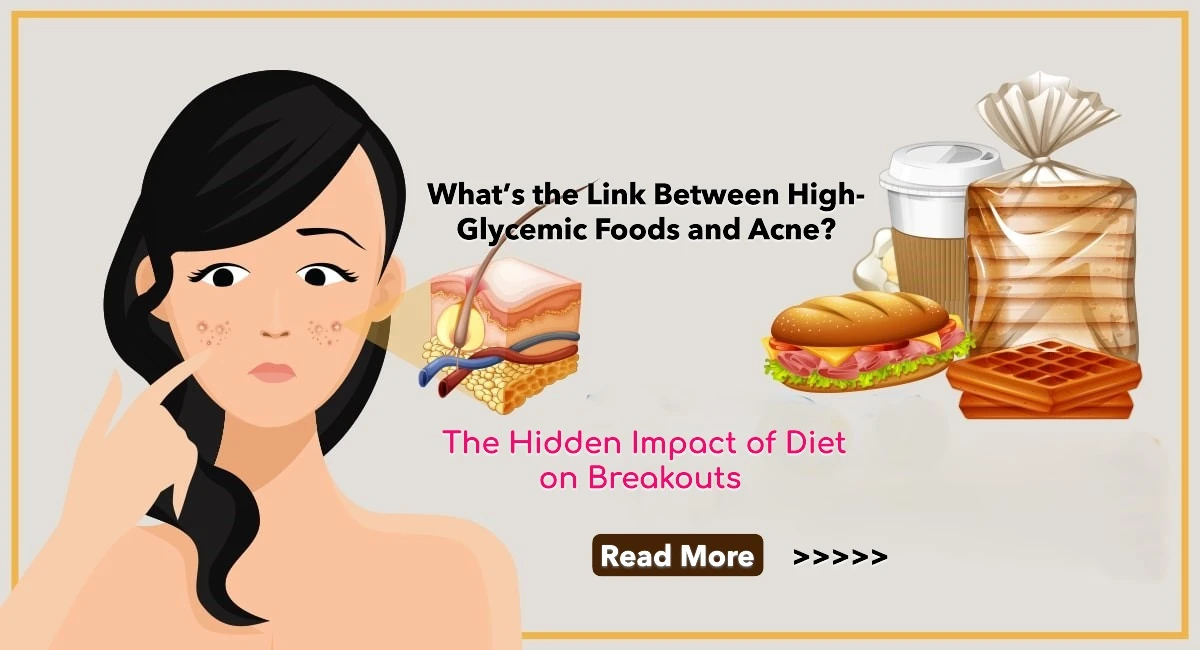
What’s the Link Between High-Glycemic Foods and Acne? The Hidden Impact of Diet on Breakouts
What’s the Link Between High-Glycemic Foods and Acne? The Hidden Impact of Diet on Breakouts
For years, dermatologists debated whether diet really affects acne. But growing research suggests that what you eat—especially foods with a high glycemic index (GI)—can indeed influence breakouts. So, what exactly are high-glycemic foods, and why might they trigger acne? Let’s break it down.
Understanding High-Glycemic Foods
The glycemic index (GI) measures how quickly a food raises your blood sugar levels. Foods with a high GI (usually 70 and above) cause rapid spikes in blood glucose. Examples include:
-
White bread
-
Sugary cereals
-
Pastries
-
Instant rice
-
Potato chips
-
Sweets and soft drinks
In contrast, low-GI foods—like whole grains, legumes, fruits, and vegetables—release glucose more slowly, providing steadier energy.
How Sugar Spikes Affect Your Skin
1. Increased insulin levels:
When you eat high-GI foods, your body produces more insulin to manage the sudden surge in blood sugar. Elevated insulin levels can trigger an increase in insulin-like growth factor 1 (IGF-1).
2. Boosting oil production:
IGF-1 can stimulate your sebaceous glands to produce more sebum (oil). Excess sebum mixes with dead skin cells and clogs pores, creating the perfect environment for acne-causing bacteria.
3. Worsening inflammation:
High-GI diets have been linked to higher levels of inflammation in the body. Chronic inflammation can aggravate existing acne and make breakouts more severe and longer-lasting.
What the Research Says
Several studies highlight the connection:
-
A study published in the American Journal of Clinical Nutrition found that young men who followed a low-GI diet for 12 weeks experienced significantly fewer acne lesions compared to those on a high-GI diet.
-
Another study showed that people who consumed high amounts of refined carbohydrates and sugary foods were more likely to develop acne.
While diet isn’t the sole cause of acne, evidence shows it can play a role in triggering or worsening breakouts, especially in those already prone to oily skin.
Small Changes, Visible Differences
The good news? You don’t need to completely cut out carbohydrates to help your skin. Instead:
-
Choose whole grains: Brown rice, quinoa, and oats have a lower GI and keep your blood sugar steady.
-
Eat more fiber: Fiber slows digestion and helps reduce sugar spikes.
-
Include protein and healthy fats: Pairing carbs with protein or fats (like nuts or avocado) further lowers a meal’s glycemic impact.
-
Stay hydrated: Water supports healthy skin and helps manage inflammation.
Final Thoughts
High-glycemic foods can increase insulin and oil production, worsen inflammation, and contribute to clogged pores—all factors that fuel acne. While genetics, hormones, and skincare habits also matter, adopting a balanced, low-GI diet could help reduce breakouts and promote clearer, healthier skin over time.
If you’re struggling with persistent acne, consider speaking to a dermatologist or nutritionist. They can help you identify dietary triggers and create a skincare and nutrition plan tailored to your skin’s needs.
Related Blog
What Causes Oily Skin and Can It Be Managed Naturally? Exploring Root Causes and Gentle Solutions
Aug 2, 2025 by Admin
General
What Are the Signs That You Have Sensitive Skin? Key Symptoms to Help You Identify This Delicate Skin Type
Aug 1, 2025 by Admin
General