
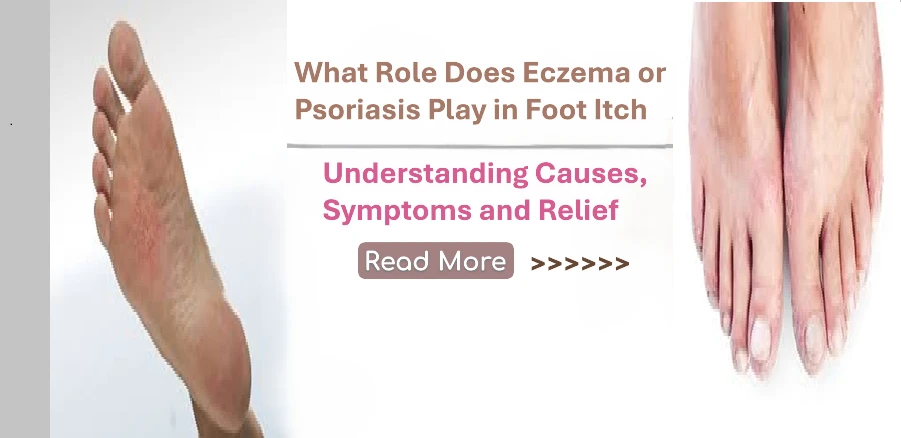
What Role Does Eczema or Psoriasis Play in Foot Itch? Understanding Causes, Symptoms, and Relief
What Role Does Eczema or Psoriasis Play in Foot Itch? Understanding Causes, Symptoms, and Relief
Itchy feet can be incredibly uncomfortable and sometimes embarrassing, often interrupting daily activities or even sleep. Among the many possible causes, chronic skin conditions like eczema and psoriasis are significant contributors to persistent foot itch. Understanding how these conditions affect the feet, the symptoms they produce, and how to manage them can help bring lasting relief and protect skin health.
Eczema and Foot Itch
Eczema, or atopic dermatitis, is an inflammatory skin condition known for its intense itching and dry, scaly patches. On the feet, eczema can appear on the soles, heels, and toes, and sometimes even extend to the ankles. The itching from eczema is often worse at night and can be triggered by sweat, friction from shoes, or exposure to irritants like harsh soaps or detergents.
When scratching occurs, it can damage the skin’s protective barrier, leading to cracks, bleeding, or secondary infections. Over time, repeated scratching and inflammation can cause the skin to thicken (a process known as lichenification), making it feel rough and leathery.
Psoriasis and Foot Itch
Psoriasis is an autoimmune condition that speeds up skin cell turnover, resulting in thick, scaly plaques that may appear silvery or white. When it affects the feet, this type is often called “palmoplantar psoriasis.” While not everyone with psoriasis experiences significant itching, for many people, it can be quite bothersome.
The plaques can develop on the soles and sometimes around the toes, leading to dryness, cracking, and painful fissures that contribute to discomfort and itching. Psoriasis on the feet may also be accompanied by redness, burning, and soreness, particularly if the skin becomes thickened or cracked.
Similarities and Differences
Both eczema and psoriasis can cause itchy, inflamed skin on the feet, but there are some key differences:
-
Appearance: Eczema usually appears as dry, red, or patchy areas, sometimes with small blisters or weeping. Psoriasis typically creates thicker, well-defined plaques with a silvery scale.
-
Triggers: Eczema flares are often linked to irritants, allergens, heat, or stress, whereas psoriasis flares can be triggered by stress, injury to the skin (known as the Koebner phenomenon), infections, or certain medications.
-
Other Symptoms: Psoriasis may also affect the nails, leading to pitting or thickening, which is less common in eczema.
Relief and Management Tips
-
Moisturize Regularly: Use thick, fragrance-free creams or ointments to reduce dryness and itching.
-
Choose Soft, Breathable Footwear: Cotton socks and properly fitted shoes help minimize friction and sweat buildup.
-
Avoid Triggers: Identify and reduce exposure to products or situations that worsen your symptoms.
-
Cool Compresses: Applying a cool, damp cloth can help soothe itchiness.
-
Medical Treatments: Topical corticosteroids, non-steroidal creams, or prescription medications can reduce inflammation. In severe cases, phototherapy or systemic treatments may be recommended by a dermatologist.
-
Keep Nails Short: This helps reduce skin damage if scratching occurs.
Conclusion
Eczema and psoriasis can both play a major role in persistent foot itch, each with its unique pattern and triggers. By recognizing the signs and working with a healthcare provider, you can manage symptoms, reduce itching, and protect your skin’s health. Remember: while itching may feel impossible to ignore, proper care can bring significant relief and help keep your feet comfortable and healthy.
Related Blog
What Causes Oily Skin and Can It Be Managed Naturally? Exploring Root Causes and Gentle Solutions
Aug 2, 2025 by Admin
General
What Are the Signs That You Have Sensitive Skin? Key Symptoms to Help You Identify This Delicate Skin Type
Aug 1, 2025 by Admin
General