
What Is Melasma (the “Mask of Pregnancy”) and Why Does It Appear? Understanding Causes and Triggers
What Is Melasma (the “Mask of Pregnancy”) and Why Does It Appear? Understanding Causes and Triggers
Pregnancy brings many changes to the body—and some of the most visible ones show up on the skin. One of the most common skin changes pregnant women experience is melasma, often called the “mask of pregnancy.” But what exactly is melasma, why does it appear, and what makes it more noticeable during pregnancy? Let’s break it down.
What Is Melasma?
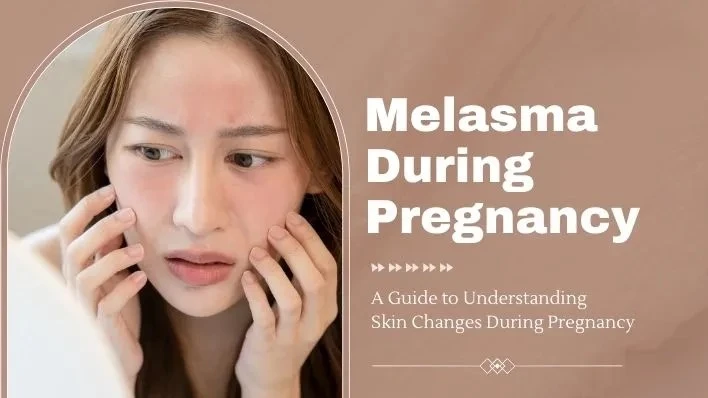
Melasma is a type of hyperpigmentation that leads to the development of brown, gray-brown, or tan patches on the skin. These patches are most commonly found on areas that get regular sun exposure—like the cheeks, forehead, upper lip, and chin. The pigmentation is usually symmetrical, appearing in matching patterns on both sides of the face.
While melasma can affect anyone, it’s especially common among women, and it often becomes more noticeable during pregnancy—hence the nickname “mask of pregnancy.”
Why Does Melasma Appear During Pregnancy?
The exact cause of melasma isn’t fully understood, but several factors are known to trigger or worsen it:
1. Hormonal Changes
During pregnancy, the body produces higher levels of hormones like estrogen and progesterone. These hormones stimulate melanocytes—the cells in the skin responsible for making melanin (the pigment that gives skin its color). When melanocytes become overactive, they produce excess melanin, leading to the appearance of dark patches.
2. Sun Exposure
Ultraviolet (UV) radiation from the sun is one of the biggest triggers for melasma. Even if hormonal changes make the skin more prone to pigmentation, sun exposure can deepen existing patches and make new ones appear. This is why melasma often appears on areas of the face that are most exposed to sunlight.
3. Genetic Factors
Family history can also play a role. People with a genetic predisposition to melasma or those with darker skin tones, which naturally have more active melanocytes, are more likely to develop it.
4. Other Triggers
Melasma isn’t limited to pregnancy. It can also be triggered by hormonal contraceptives, certain medications, or even skincare products that irritate the skin. However, pregnancy is one of the most common and recognizable times when it develops.
Is Melasma Harmful?
The good news is that melasma is harmless and doesn’t cause any physical discomfort. The main concern for most people is cosmetic, as the dark patches can feel noticeable and affect confidence.
Does It Go Away After Pregnancy?
For many women, melasma fades or lightens naturally after childbirth as hormone levels return to their usual range. However, it might not completely disappear, and it can return during future pregnancies or if triggered by sun exposure or hormonal medications.
Prevention and Care
While you may not be able to fully prevent melasma during pregnancy, there are ways to reduce its severity:
-
Daily use of broad-spectrum sunscreen (SPF 30 or higher).
-
Wearing hats and seeking shade.
-
Using gentle skincare products to avoid irritation.
-
Consulting a dermatologist for pregnancy-safe brightening products like vitamin C or azelaic acid.
In Summary
Melasma, the “mask of pregnancy,” appears mainly because of hormonal changes that make the skin produce more pigment, combined with sun exposure and genetics. Although harmless, it can be bothersome for many women. Understanding its causes helps manage it better and reminds us that it’s a natural, often temporary part of pregnancy for many.
Related Blog
What Causes Oily Skin and Can It Be Managed Naturally? Exploring Root Causes and Gentle Solutions
Aug 2, 2025 by Admin
General
What Are the Signs That You Have Sensitive Skin? Key Symptoms to Help You Identify This Delicate Skin Type
Aug 1, 2025 by Admin
General