
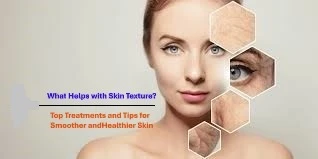
What Helps with Skin Texture? Top Treatments and Tips for Smoother, Healthier Skin
What Helps with Skin Texture? Top Treatments and Tips for Smoother, Healthier Skin
Uneven skin texture can make skin appear dull, rough, and tired—even if you don’t have acne or pigmentation issues. Texture issues may include bumps, enlarged pores, dry patches, fine lines, or general roughness. Fortunately, with the right skincare routine and lifestyle habits, smoother and healthier skin is absolutely achievable.
What Causes Uneven Skin Texture?
Several factors can contribute to rough or bumpy skin, including:
-
Dead skin buildup: Lack of exfoliation leads to a layer of dead cells on the skin’s surface.
-
Dehydration: Dry or dehydrated skin often feels tight, flaky, and rough.
-
Sun damage: UV rays break down collagen and elastin, creating coarse texture and enlarged pores.
-
Acne and clogged pores: Whiteheads, blackheads, and post-acne scars can leave behind a bumpy texture.
-
Aging: Collagen loss with age contributes to uneven skin tone and texture.
-
Skin conditions: Issues like keratosis pilaris, eczema, or rosacea can add to surface irregularity.
Skincare Ingredients That Improve Texture
Using targeted ingredients can dramatically improve your skin’s surface over time:
1. Exfoliating Acids
-
AHAs (Glycolic Acid, Lactic Acid): These water-soluble acids exfoliate dead skin cells and reveal smoother skin underneath.
-
BHAs (Salicylic Acid): Oil-soluble and perfect for deep cleaning pores, especially if you have oily or acne-prone skin.
-
PHA (Polyhydroxy Acids): Gentler than AHAs—ideal for sensitive skin.
Pro Tip: Limit exfoliation to 2–3 times a week to avoid over-stripping your skin.
2. Retinoids (Retinol)
Retinol boosts cell turnover and stimulates collagen production. With consistent use, it can reduce roughness, fade acne scars, and tighten pores.
3. Vitamin C
An antioxidant that brightens the skin and improves texture by supporting collagen production and fighting free radicals.
4. Hyaluronic Acid
This hydrating ingredient plumps up the skin, making it appear smoother and softer.
5. Niacinamide
Great for minimizing pore appearance, reducing inflammation, and balancing oil production—all of which can help refine texture.
Professional Treatments for Better Texture
If at-home skincare isn’t enough, consider these dermatologist-recommended procedures:
-
Chemical peels: Controlled exfoliation for smoother, brighter skin.
-
Microneedling: Stimulates collagen to reduce scars and rough patches.
-
Laser resurfacing: Helps with texture caused by sun damage or deep acne scars.
-
Microdermabrasion: A gentle, physical exfoliation technique that improves overall skin tone and texture.
Everyday Habits That Help
-
Stay hydrated: Drinking enough water supports skin elasticity.
-
Use SPF daily: Prevents further damage from UV rays.
-
Avoid smoking and excess alcohol: Both speed up skin aging and roughness.
-
Keep your skin clean but not over-washed: Use gentle, non-stripping cleansers.
Final Thoughts
Improving skin texture is a journey, not a quick fix. The key is consistency, gentle exfoliation, hydration, sun protection, and targeted active ingredients. Whether you choose a basic skincare routine or pair it with professional treatments, your skin can become visibly smoother, healthier, and more radiant over time.
Related Blog
What Causes Oily Skin and Can It Be Managed Naturally? Exploring Root Causes and Gentle Solutions
Aug 2, 2025 by Admin
General
What Are the Signs That You Have Sensitive Skin? Key Symptoms to Help You Identify This Delicate Skin Type
Aug 1, 2025 by Admin
General