
What Foods Are Good (or Bad) for Your Skin? A Nutritional Guide to Clear, Radiant Skin
What Foods Are Good (or Bad) for Your Skin? A Nutritional Guide to Clear, Radiant Skin
You’ve probably heard the saying, “You are what you eat,” and when it comes to your skin, that couldn’t be more true. Your diet plays a critical role in how your skin looks and feels. Some foods can support a clear, glowing complexion, while others may contribute to breakouts, inflammation, or premature aging. Understanding which foods are good—and which are bad—for your skin is key to maintaining long-term skin health.
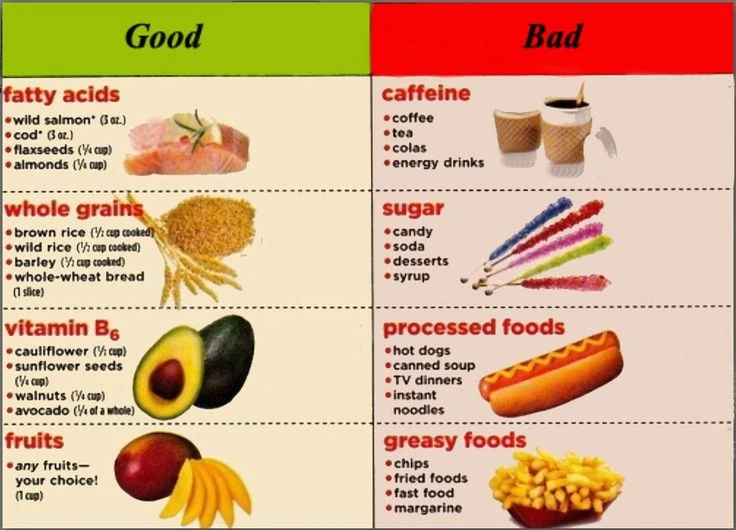
Best Foods for Healthy, Glowing Skin
-
Fatty Fish (like salmon, sardines, and mackerel)
Rich in omega-3 fatty acids, these help keep your skin supple and moisturized. Omega-3s also reduce inflammation, which can help calm redness and acne. -
Avocados
Full of healthy fats and antioxidants like vitamin E, avocados nourish the skin and support elasticity. They also contain compounds that may protect the skin from UV damage. -
Nuts and Seeds (especially almonds, walnuts, and sunflower seeds)
These are excellent sources of vitamin E, zinc, and selenium—nutrients that help protect your skin from oxidative damage and maintain its barrier function. -
Sweet Potatoes and Carrots
Loaded with beta-carotene (a form of vitamin A), these root vegetables act as natural sun protectants and can help give your skin a warm, healthy glow. -
Berries (blueberries, strawberries, etc.)
Rich in antioxidants, berries help fight free radicals that can lead to premature aging and skin damage. -
Green Leafy Vegetables (like spinach and kale)
These are packed with vitamins A, C, and K, which support collagen production, reduce inflammation, and promote healing. -
Green Tea
Contains powerful polyphenols called catechins, which help protect the skin from damage, reduce redness, and improve hydration and elasticity. -
Water
While not technically a food, staying well-hydrated is essential. Water helps flush out toxins and keeps your skin plump, clear, and radiant.
Foods That Can Harm Your Skin
-
Sugar and High-Glycemic Foods
Foods like white bread, pasta, candy, and soda can cause blood sugar spikes that lead to inflammation and acne by increasing oil production and hormonal imbalances. -
Dairy Products (especially milk)
Some studies suggest a link between milk consumption and acne, possibly due to hormones and growth factors present in milk. -
Processed and Fried Foods
These often contain unhealthy trans fats and additives that promote inflammation and oxidative stress, both of which age your skin prematurely. -
Alcohol
Dehydrates the skin and dilates blood vessels, which can lead to puffiness, dryness, and long-term skin damage if consumed excessively. -
Salt
Too much salt can lead to water retention, making your skin look puffy and tired, especially around the eyes.
Conclusion
Your skin is a reflection of your internal health, and what you eat can have a dramatic impact on its appearance. Prioritize whole, nutrient-rich foods like fruits, vegetables, healthy fats, and lean proteins to nourish your skin from within. At the same time, try to minimize your intake of processed foods, sugar, and dairy to avoid triggering skin issues. With the right diet, you can boost your skin’s natural glow—one bite at a time.
Related Blog
What Causes Oily Skin and Can It Be Managed Naturally? Exploring Root Causes and Gentle Solutions
Aug 2, 2025 by Admin
General
What Are the Signs That You Have Sensitive Skin? Key Symptoms to Help You Identify This Delicate Skin Type
Aug 1, 2025 by Admin
General