
What Causes Hormonal Acne and How to Treat It: A Complete Guide to Clearer Skin
What Causes Hormonal Acne and How to Treat It: A Complete Guide to Clearer Skin
Hormonal acne is a common skin condition that affects both teenagers and adults, often triggered by hormonal fluctuations in the body. Unlike typical acne that may be due to poor skincare or clogged pores, hormonal acne originates from internal imbalances and requires a targeted approach for effective treatment.
What Causes Hormonal Acne?
Hormonal acne is primarily caused by fluctuations in hormones—especially androgens like testosterone. These hormones stimulate excess oil (sebum) production in the skin, leading to clogged pores, inflammation, and breakouts. The main triggers include:
-
Puberty: A surge in hormones can cause acne in teenagers.
-
Menstrual Cycle: Many women experience breakouts before or during their periods.
-
Polycystic Ovary Syndrome (PCOS): This condition causes elevated androgens and is a common reason for persistent acne.
-
Pregnancy and Postpartum Changes: Hormonal shifts during these times can lead to sudden acne flare-ups.
-
Stress: Stress can increase cortisol levels, which in turn affects other hormone levels and worsens acne.
-
Birth Control Pills: Starting, stopping, or changing contraceptives can influence hormonal balance and skin behavior.
Where Does Hormonal Acne Appear?
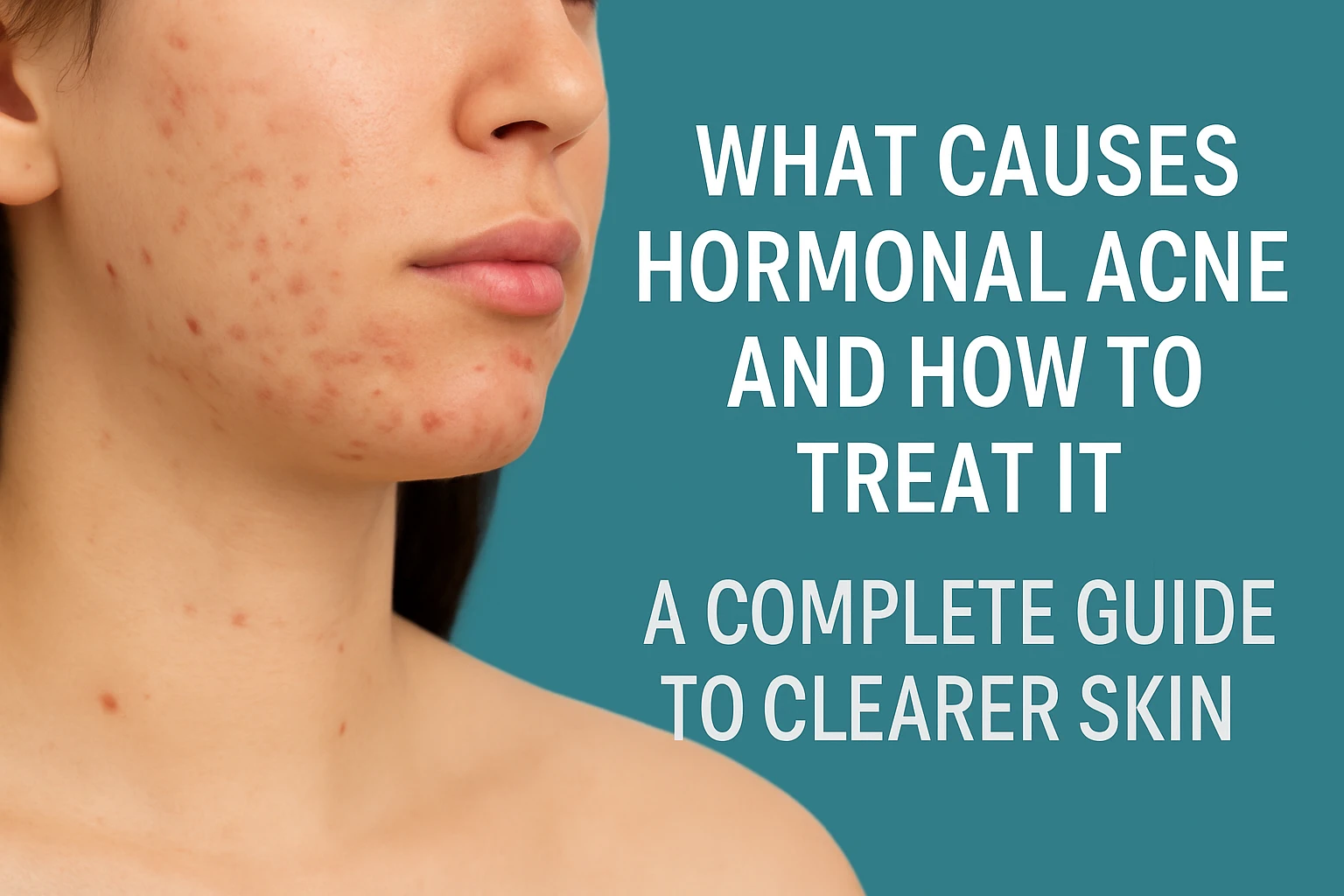
Hormonal acne often appears on the lower face, including the jawline, chin, and cheeks. It may present as:
-
Deep, cystic pimples
-
Painful, inflamed nodules
-
Whiteheads or blackheads that don’t respond to typical acne treatments
How to Treat Hormonal Acne
1. Topical Treatments
-
Retinoids: Prescription-strength retinoids like tretinoin can help unclog pores and boost cell turnover.
-
Benzoyl Peroxide: Helps reduce bacteria and inflammation.
-
Salicylic Acid: A beta-hydroxy acid (BHA) that penetrates pores to clear excess oil and dead skin cells.
2. Oral Medications
-
Birth Control Pills: Certain contraceptives regulate hormones and reduce acne.
-
Spironolactone: A medication that blocks androgen receptors and lowers oil production. It’s especially effective in adult women with persistent hormonal acne.
-
Isotretinoin (Accutane): For severe, treatment-resistant acne, this powerful medication can offer long-term remission.
3. Lifestyle and Dietary Adjustments
-
Reduce Dairy and Sugar: These can spike insulin and androgen levels, triggering breakouts.
-
Manage Stress: Practices like yoga, meditation, and adequate sleep can help regulate cortisol.
-
Healthy Diet: Focus on whole foods, lean protein, anti-inflammatory fats (like omega-3s), and plenty of water.
4. Professional Treatments
-
Chemical Peels and Laser Therapy can reduce inflammation and acne scars when guided by a dermatologist.
When to See a Dermatologist
If over-the-counter products and natural remedies don’t work after several months, or if your acne is severe and affecting your self-esteem, consult a dermatologist. They can tailor a treatment plan based on your hormonal profile and skin type.
Final Thoughts
Hormonal acne can be stubborn, but with the right combination of lifestyle changes, skincare, and medical treatments, you can achieve clearer, healthier skin. Understanding the root hormonal cause is the first step toward lasting results.
Related Blog
What Are the Signs That You Have Sensitive Skin? Key Symptoms to Help You Identify This Delicate Skin Type
Aug 1, 2025 by Admin
General