
What Are the Most Common Reasons the Bottom of Your Foot Itches? Understanding Causes and Remedies
What Are the Most Common Reasons the Bottom of Your Foot Itches? Understanding Causes and Remedies
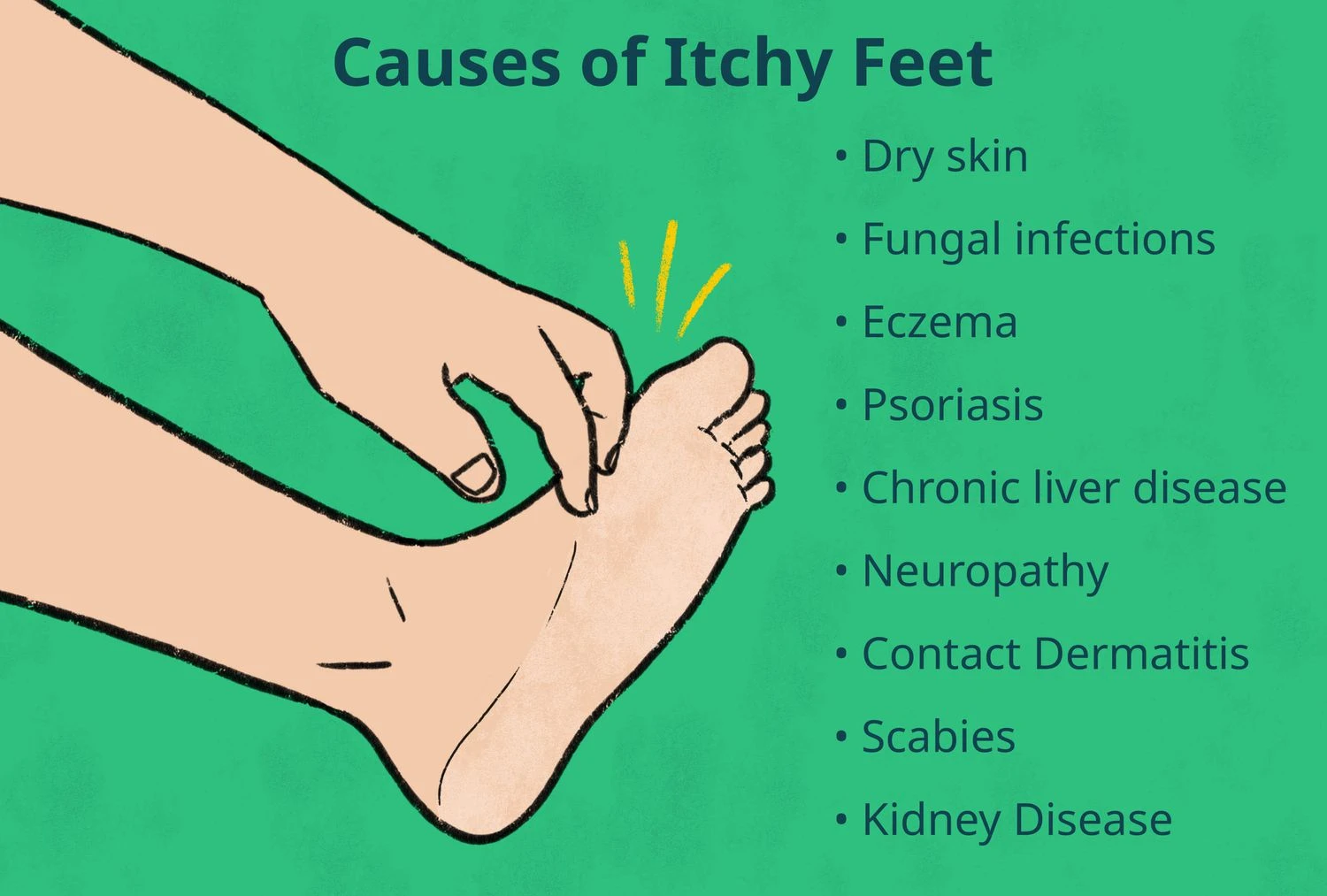
An itchy sensation on the bottom of your foot can be incredibly annoying, and sometimes even embarrassing. While it might seem like a minor problem, persistent itching can point to underlying skin conditions or health issues. Understanding the most common reasons why the sole of your foot itches can help you find relief and know when it’s time to see a doctor.
1. Dry Skin (Xerosis)
One of the simplest explanations for itchy feet is dry skin. The soles of the feet often become dry because they lack oil glands, making them more prone to flaking and itching, especially in colder weather or when exposed to harsh soaps. Moisturizing daily with a rich foot cream or ointment can usually solve the problem.
2. Athlete’s Foot (Tinea Pedis)
Athlete’s foot is a fungal infection that thrives in warm, moist environments like shoes and locker rooms. It often causes intense itching, burning, and peeling skin on the bottom of the foot and between the toes. Over-the-counter antifungal creams are typically effective, but persistent or severe cases may require prescription medication.
3. Allergic Reactions (Contact Dermatitis)
If your foot itches after wearing new shoes, socks, or coming into contact with certain chemicals, you might be experiencing contact dermatitis. This condition is an allergic reaction or irritation triggered by materials like latex, dyes, adhesives, or even fragrances in laundry detergents. Identifying and avoiding the irritant, combined with soothing creams, can help reduce itching.
4. Eczema
Eczema (also known as atopic dermatitis) can affect any part of the body, including the feet. It often presents as dry, itchy patches of skin that can crack and become inflamed. Eczema is commonly triggered by stress, allergens, or harsh soaps. Gentle skincare routines and moisturizing creams, along with medical advice, can help manage flare-ups.
5. Psoriasis
Psoriasis is an autoimmune condition that speeds up the skin cell turnover process, leading to red, scaly patches that may itch or hurt. While it more commonly affects areas like elbows and knees, it can also appear on the soles of the feet (a form called palmoplantar psoriasis). Treatments often include prescription creams, light therapy, and systemic medications.
6. Insect Bites or Stings
Mosquitoes, fleas, or other insects can bite the foot, especially if you walk barefoot outdoors. These bites typically cause localized itching and small red bumps. Applying ice packs and anti-itch creams can help relieve discomfort.
7. Peripheral Neuropathy
Sometimes, itching isn’t related to skin conditions at all. Peripheral neuropathy, often associated with diabetes, can cause tingling, burning, or itching sensations in the feet. If you suspect a nerve-related cause, it’s important to seek medical advice.
Final Thoughts
An itchy sole may seem minor, but it can sometimes point to underlying conditions that need attention. Identifying the cause—whether it’s dry skin, an infection, allergies, or something else—is key to effective treatment. If itching persists, worsens, or comes with other symptoms like pain or swelling, consult a healthcare professional for proper diagnosis and care. This way, you can keep your feet healthy, comfortable, and itch-free.
Related Blog
What Causes Oily Skin and Can It Be Managed Naturally? Exploring Root Causes and Gentle Solutions
Aug 2, 2025 by Admin
General
What Are the Signs That You Have Sensitive Skin? Key Symptoms to Help You Identify This Delicate Skin Type
Aug 1, 2025 by Admin
General