
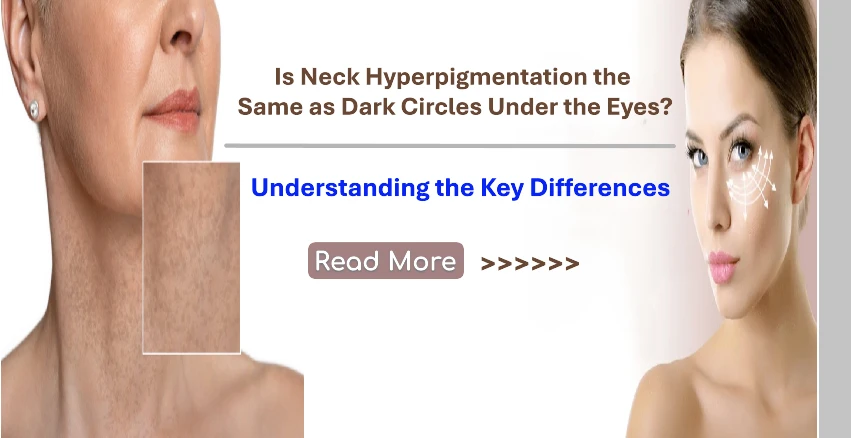
Is Neck Hyperpigmentation the Same as Dark Circles Under the Eyes? Understanding the Key Differences
Is Neck Hyperpigmentation the Same as Dark Circles Under the Eyes? Understanding the Key Differences
At first glance, neck hyperpigmentation and dark circles under the eyes might seem like similar concerns—they both appear as darker areas of skin that many people wish to treat or cover. However, while they share the common feature of increased pigmentation, the causes, underlying biology, and treatment strategies often differ significantly. Understanding these differences can help you manage each issue more effectively.
What Is Neck Hyperpigmentation?
Neck hyperpigmentation refers to the appearance of dark patches or uneven skin tone specifically on the neck. It’s often caused by excess melanin production in localized areas and can result from several factors:
-
Acanthosis nigricans: This is a skin condition that presents as thick, velvety, darkened patches on the neck and other body folds. It’s often linked to insulin resistance, obesity, or hormonal disorders.
-
Sun exposure: The neck is frequently overlooked when applying sunscreen, leading to sun-induced hyperpigmentation.
-
Friction and irritation: Regular rubbing from collars, jewelry, or scarves can trigger inflammation and melanin overproduction.
-
Post-inflammatory hyperpigmentation: This can occur after skin irritation, eczema, or acne on the neck.
Neck hyperpigmentation tends to be patchy and may have a rougher or thicker texture compared to surrounding skin, depending on the cause.
What Are Dark Circles Under the Eyes?
Dark circles typically refer to a shadowed or darker appearance around the eye area, which may appear brown, blue, or purple depending on your skin type and the underlying cause. Common factors include:
-
Thin skin and visible blood vessels: The under-eye skin is delicate, making veins and capillaries more visible, especially in fairer skin tones.
-
Genetics: Some people naturally have more pigmentation in the under-eye area.
-
Lack of sleep or fatigue: These can make blood vessels under the eyes more noticeable, deepening the color.
-
Allergies or rubbing: Chronic eye rubbing can lead to post-inflammatory hyperpigmentation.
-
Aging: As skin thins and loses collagen, darkness may become more pronounced.
Unlike neck hyperpigmentation, dark circles are not usually associated with thickened skin or texture changes.
Similarities and Key Differences
Both conditions involve excess pigmentation or the appearance of darker skin, and in both cases, sun exposure can worsen the discoloration. However, the main differences are:
-
Location and structure: Under-eye skin is much thinner and more delicate than the skin on the neck.
-
Texture: Neck hyperpigmentation can sometimes include thickened, velvety patches (especially in acanthosis nigricans), while dark circles usually don’t.
-
Primary causes: Dark circles often stem from vascular factors, structural changes, and genetic predisposition, while neck hyperpigmentation is more commonly related to hormonal changes, friction, and chronic conditions.
Treatment Approaches
Because the causes differ, so do the treatments:
-
Neck hyperpigmentation: Daily sun protection, gentle exfoliation, topical lightening agents (like niacinamide or azelaic acid), and treating underlying conditions (e.g., managing insulin resistance).
-
Dark circles: Improving sleep habits, using eye creams with caffeine or vitamin C, gentle massages to reduce puffiness, and cosmetic options like concealers or laser treatments for persistent pigmentation.
Final Thoughts
While neck hyperpigmentation and dark circles under the eyes might seem similar at first glance, they’re actually distinct skin concerns with different underlying causes and treatment strategies. Recognizing these differences helps you choose more effective, tailored solutions for each area, ultimately leading to healthier, more even-toned skin.
Related Blog
What Are the Signs That You Have Sensitive Skin? Key Symptoms to Help You Identify This Delicate Skin Type
Aug 1, 2025 by Admin
General