
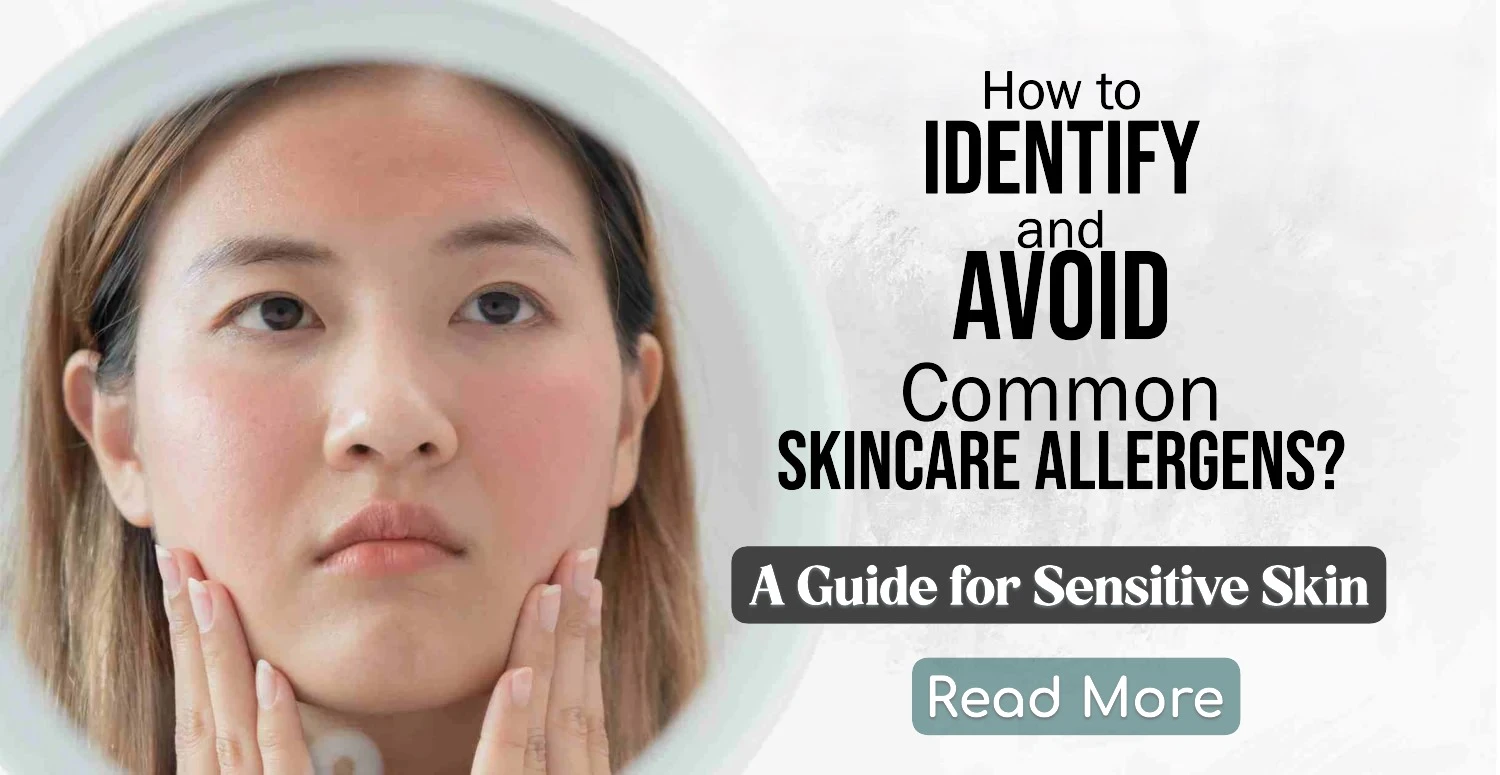
How to Identify and Avoid Common Skincare Allergens: A Guide for Sensitive Skin
How to Identify and Avoid Common Skincare Allergens: A Guide for Sensitive Skin
If you have sensitive skin, using new skincare products can feel like a gamble. Redness, itching, rashes, and breakouts may occur without warning. Often, these reactions are caused by allergens — specific ingredients in skincare that trigger your immune system. Learning to identify and avoid common skincare allergens can help you build a routine that’s both effective and gentle on your skin.
What Are Skincare Allergens?
Skincare allergens are ingredients that cause allergic reactions or skin irritation in certain individuals. These reactions can range from mild redness and itching to more severe contact dermatitis. Not everyone will react to the same allergens, but there are a few common culprits that are known to affect sensitive skin.
Common Skincare Allergens to Watch Out For
-
Fragrances (Natural or Synthetic):
Fragrance is one of the most common causes of allergic reactions in skincare. Even products labeled as “natural” or “unscented” can contain masking fragrances. Look for products labeled “fragrance-free”, not just “unscented.” -
Essential Oils:
While natural, oils like lavender, peppermint, eucalyptus, and tea tree can cause irritation or allergies in sensitive individuals. -
Preservatives:
Ingredients like parabens, formaldehyde-releasers (like DMDM hydantoin), and methylisothiazolinone (MI) are often added to prevent bacterial growth but can also trigger allergic reactions. -
Dyes and Colorants:
Artificial dyes and colorants, especially those labeled FD&C or D&C, may cause irritation or allergic responses. -
Alcohols:
Certain alcohols (like denatured alcohol or SD alcohol) can dry and irritate the skin. However, fatty alcohols (like cetyl or stearyl alcohol) are generally safe for most skin types. -
Lanolin:
Derived from sheep’s wool, lanolin is a moisturizing ingredient that can cause reactions in those allergic to wool.
How to Identify Allergens in Your Products
-
Read Ingredient Labels Carefully:
Always check the full ingredient list before using a product. If you're not sure about a specific ingredient, look it up or consult a dermatologist. -
Look for “Fragrance-Free” and “Hypoallergenic” Labels:
These terms can help guide your choices, but they're not foolproof. “Hypoallergenic” isn’t strictly regulated, so it’s still best to review ingredients. -
Use Patch Testing:
Before applying a new product to your face or body, test it on a small patch of skin (like the inside of your wrist or behind your ear) and wait 24–48 hours for any reaction.
Tips to Avoid Allergens and Protect Your Skin
-
Simplify Your Routine: Fewer products mean fewer chances for exposure to allergens.
-
Choose Products for Sensitive Skin: Look for those labeled as dermatologist-tested and made for allergy-prone skin.
-
Keep a Skincare Journal: If you experience a reaction, note which products you used to help identify patterns or ingredients that may be the cause.
-
Avoid Overuse of Actives: Overuse of exfoliants, acids, or retinoids can make your skin more sensitive and prone to reacting to allergens.
Final Thoughts
Understanding common skincare allergens and learning to read product labels carefully can help you take control of your skincare routine. If reactions persist, consult a dermatologist or allergist for patch testing and expert guidance. With the right knowledge and approach, even sensitive skin can thrive.
Related Blog
What Causes Oily Skin and Can It Be Managed Naturally? Exploring Root Causes and Gentle Solutions
Aug 2, 2025 by Admin
General
What Are the Signs That You Have Sensitive Skin? Key Symptoms to Help You Identify This Delicate Skin Type
Aug 1, 2025 by Admin
General