
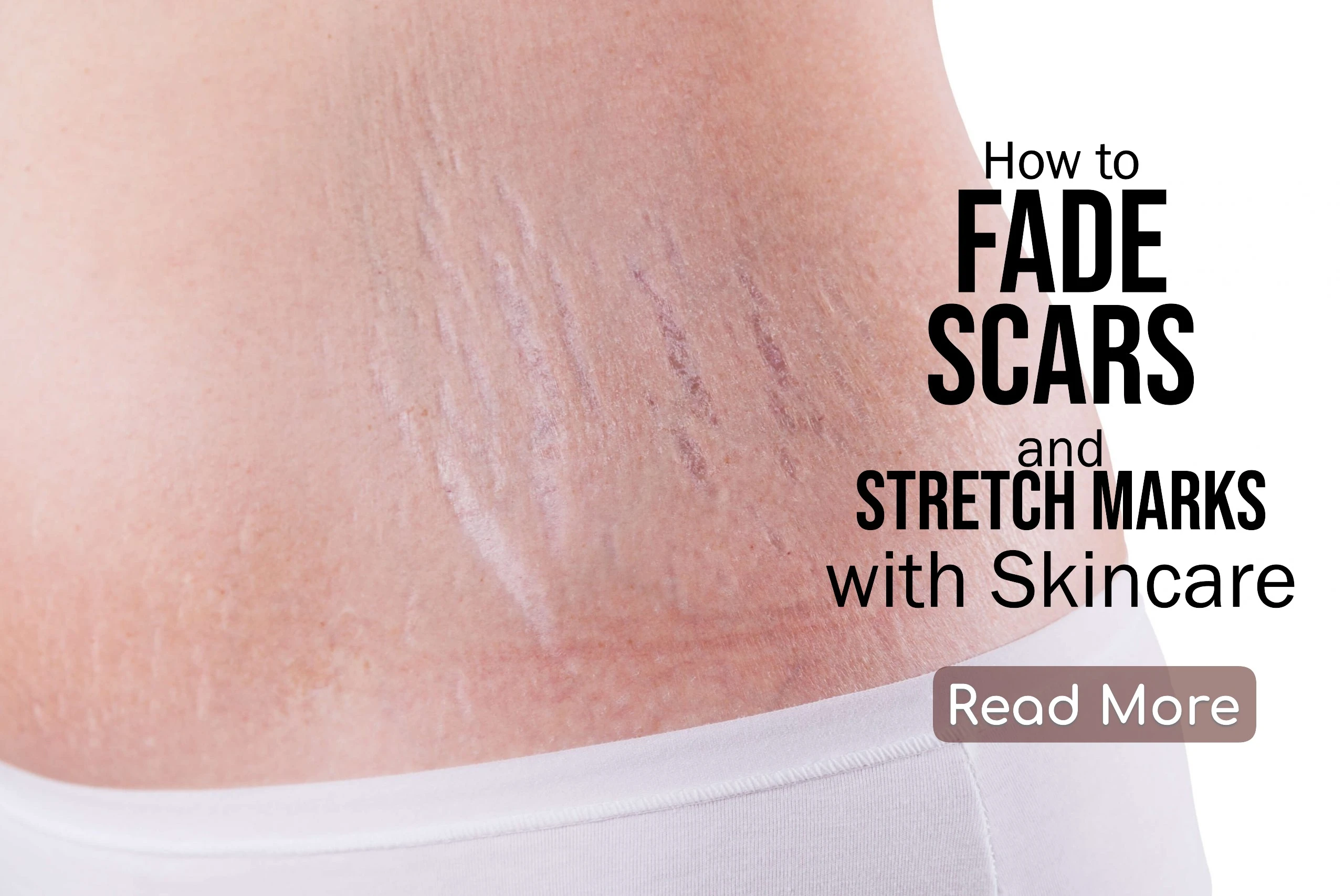
How to Fade Scars and Stretch Marks with Skincare: Effective Ingredients and Techniques That Work
How to Fade Scars and Stretch Marks with Skincare: Effective Ingredients and Techniques That Work
Scars and stretch marks are a natural part of life, but many people seek ways to fade them for smoother, more even-toned skin. While completely removing them may not be possible without medical treatments, consistent skincare can significantly reduce their appearance. Understanding what ingredients and techniques actually work can help you build an effective routine that promotes healing and improves skin texture over time.
What Causes Scars and Stretch Marks?
-
Scars form when the skin heals after injury, acne, surgery, or inflammation. Depending on the severity and type, scars can be flat, raised (hypertrophic), or indented (atrophic).
-
Stretch marks (striae) occur when the skin stretches or shrinks rapidly, such as during pregnancy, puberty, or weight changes. This damages the collagen and elastin fibers, resulting in visible lines on the skin.
Skincare Ingredients That Help Fade Scars and Stretch Marks
-
Retinoids (Retinol, Tretinoin)
Retinoids increase cell turnover, stimulate collagen production, and help fade discoloration. Over time, they can smooth out the texture of scars and stretch marks. Start with a low concentration if you have sensitive skin and always use sunscreen, as retinoids increase sun sensitivity. -
Vitamin C
A powerful antioxidant, vitamin C helps brighten skin, fade pigmentation, and boost collagen synthesis. It works well for dark scars and reddish or purplish stretch marks. -
Glycolic Acid and Lactic Acid
These alpha hydroxy acids (AHAs) exfoliate the skin, improve texture, and enhance the penetration of other products. Regular use can smooth rough scars and fade discoloration. -
Hyaluronic Acid
While it doesn't fade marks directly, hyaluronic acid helps hydrate and plump the skin, making scars and stretch marks appear less pronounced. -
Silicone Gel or Sheets
Widely used by dermatologists, silicone can soften and flatten raised scars when used consistently for several weeks. -
Centella Asiatica (Cica)
Known for its wound-healing and soothing properties, Centella can improve skin elasticity and promote repair, making it a helpful ingredient for both scars and stretch marks. -
Niacinamide
This form of vitamin B3 reduces inflammation, lightens pigmentation, and strengthens the skin barrier, making it beneficial for fading both old and new marks.
Techniques to Maximize Results
-
Exfoliate Regularly
Gentle exfoliation helps remove dead skin cells and allows active ingredients to penetrate better. Use 1–2 times a week depending on your skin type. -
Be Consistent
Fading scars and stretch marks takes time. Apply products daily for at least 8–12 weeks before expecting visible results. -
Protect from the Sun
UV exposure can darken scars and stretch marks. Apply broad-spectrum SPF daily to prevent worsening discoloration. -
Massage the Area
Massaging can improve blood circulation and enhance absorption of products. Use circular motions with your fingers while applying treatments.
Final Thoughts
While skincare won’t make scars and stretch marks disappear completely, the right combination of ingredients and consistent care can significantly improve their appearance. Focus on nourishing and repairing the skin barrier, use products that promote cell renewal and collagen production, and always protect your skin from the sun for the best results.
Related Blog
What Causes Oily Skin and Can It Be Managed Naturally? Exploring Root Causes and Gentle Solutions
Aug 2, 2025 by Admin
General
What Are the Signs That You Have Sensitive Skin? Key Symptoms to Help You Identify This Delicate Skin Type
Aug 1, 2025 by Admin
General