
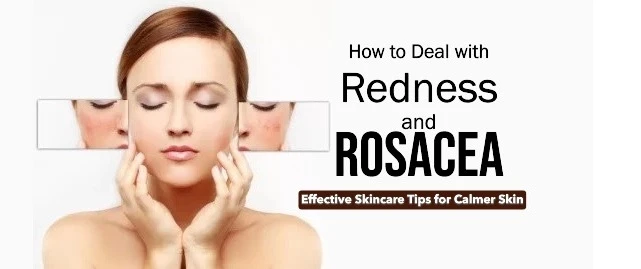
How to Deal with Redness and Rosacea: Effective Skincare Tips for Calmer Skin
How to Deal with Redness and Rosacea: Effective Skincare Tips for Calmer Skin
Redness and rosacea are common skin concerns that can cause both physical discomfort and emotional distress. Characterized by flushing, visible blood vessels, and sometimes acne-like bumps, rosacea is a chronic skin condition that requires careful management. While there's no cure, the right skincare routine and lifestyle adjustments can significantly reduce flare-ups and improve skin appearance.
What Is Rosacea?
Rosacea is a chronic inflammatory skin condition that primarily affects the central face—cheeks, nose, forehead, and chin. It often begins with episodes of flushing or redness and can progress to more persistent symptoms such as:
-
Persistent facial redness
-
Visible blood vessels (telangiectasia)
-
Swollen red bumps resembling acne
-
Eye irritation (ocular rosacea)
-
Burning or stinging sensations
Rosacea can be triggered by various factors, including environmental stressors, skincare products, and diet.
Common Triggers of Redness and Rosacea
Identifying and avoiding personal triggers is crucial. Common ones include:
-
Spicy foods
-
Alcohol, especially red wine
-
Hot beverages
-
Extreme temperatures (hot or cold)
-
Sun exposure
-
Stress and anxiety
-
Certain skincare ingredients like alcohol, menthol, eucalyptus, and fragrances
Effective Skincare Tips for Redness and Rosacea
1. Use Gentle, Fragrance-Free Products
Harsh cleansers and exfoliants can worsen rosacea. Choose mild, non-foaming cleansers and moisturizers labeled for sensitive or rosacea-prone skin. Look for calming ingredients like:
-
Niacinamide – Reduces inflammation and strengthens the skin barrier
-
Aloe Vera – Soothes and hydrates
-
Centella Asiatica – Known for its anti-redness and healing properties
2. Apply Sunscreen Daily
Sun exposure is a top trigger. Use a broad-spectrum mineral sunscreen with zinc oxide or titanium dioxide. Avoid chemical sunscreens that may irritate.
3. Moisturize Regularly
Hydrated skin is less reactive. Use a lightweight, non-comedogenic moisturizer to support the skin barrier and reduce irritation.
4. Avoid Over-Exfoliation
Physical and chemical exfoliants can irritate already inflamed skin. Limit exfoliation to once a week or avoid it altogether during flare-ups.
5. Try Anti-Redness Treatments
Topical treatments like metronidazole, azelaic acid, or ivermectin may be prescribed by dermatologists to manage rosacea. Over-the-counter calming serums containing green tea extract or licorice root can also help.
Lifestyle Tips for Managing Flare-Ups
-
Keep a skin diary to identify specific triggers
-
Practice stress management through mindfulness or yoga
-
Use lukewarm water—not hot—when cleansing
-
Avoid hot and humid environments when possible
-
Limit alcohol and spicy foods that cause flushing
When to See a Dermatologist
If redness or bumps persist despite using gentle skincare, consult a dermatologist. Rosacea is a medical condition that often benefits from prescription treatments and professional care.
Final Thoughts
Managing rosacea and facial redness takes patience, consistency, and awareness of personal triggers. By adopting a gentle skincare routine, protecting your skin from the sun, and making mindful lifestyle changes, you can significantly reduce flare-ups and maintain a calm, healthy complexion.
Related Blog
What Causes Oily Skin and Can It Be Managed Naturally? Exploring Root Causes and Gentle Solutions
Aug 2, 2025 by Admin
General
What Are the Signs That You Have Sensitive Skin? Key Symptoms to Help You Identify This Delicate Skin Type
Aug 1, 2025 by Admin
General