
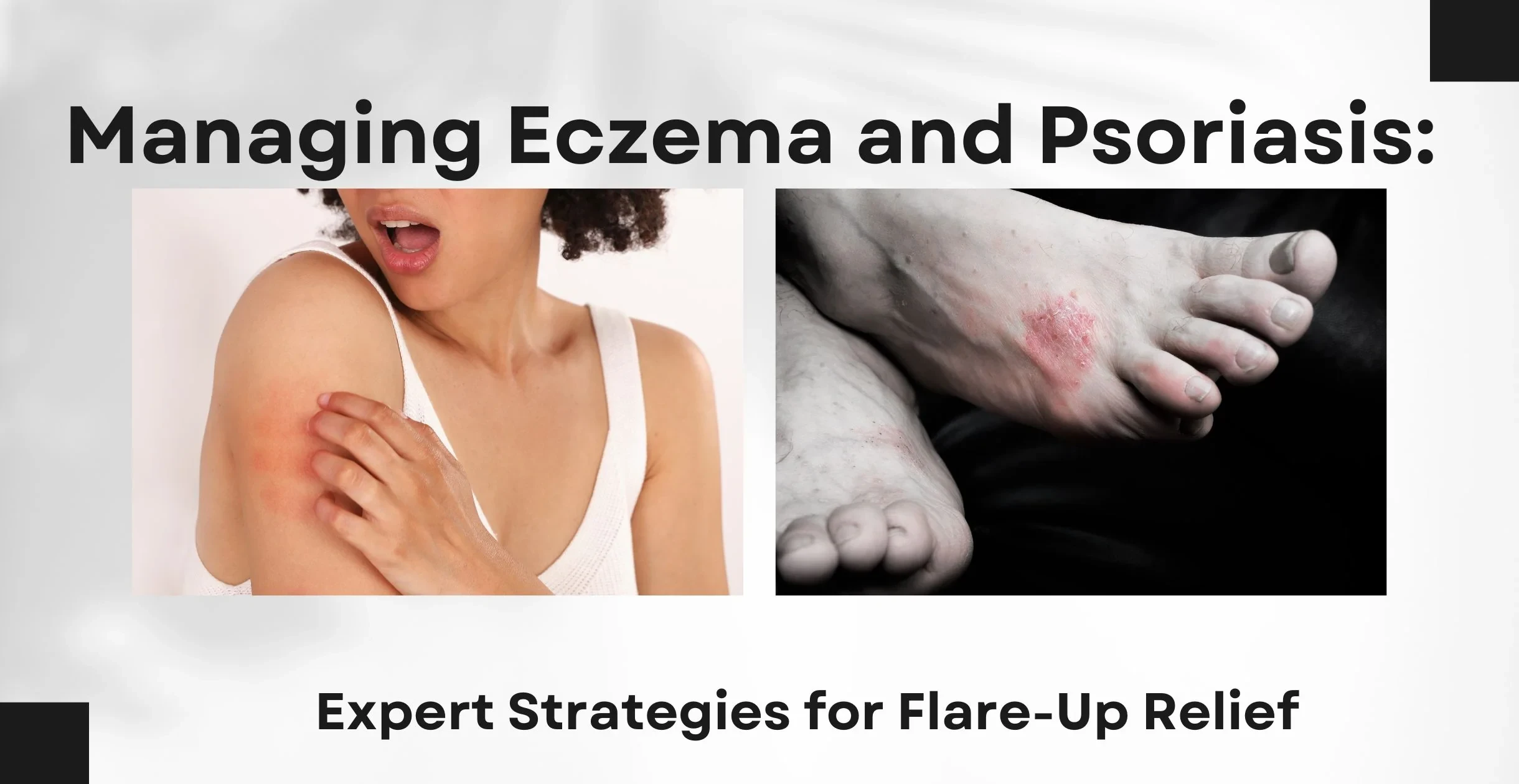
How Should You Change Your Skincare If You Have Eczema or Psoriasis? Expert Tips for Sensitive Skin Relief
How Should You Change Your Skincare If You Have Eczema or Psoriasis? Expert Tips for Sensitive Skin Relief
Living with eczema or psoriasis means your skincare routine needs extra attention and care. These chronic inflammatory skin conditions cause symptoms like redness, flaking, itching, and irritation — all of which can be triggered or worsened by harsh products or improper habits. If you have either condition, adapting your skincare to protect and soothe your skin barrier is crucial. Here's how to build a gentle, effective routine that supports healing and reduces flare-ups.
Understanding Eczema and Psoriasis
-
Eczema (Atopic Dermatitis): A condition where the skin becomes inflamed, dry, and itchy. It often appears in childhood and is linked to allergies or asthma.
-
Psoriasis: An autoimmune condition that speeds up skin cell turnover, leading to thick, scaly patches, often with redness and inflammation.
While both involve inflammation and a compromised skin barrier, they require similar foundational care focused on hydration, soothing ingredients, and avoiding triggers.
Key Skincare Changes for Eczema and Psoriasis
1. Choose Gentle, Fragrance-Free Cleansers
Cleansing is essential, but many traditional soaps and face washes strip natural oils and worsen dryness. Switch to:
-
Cream-based cleansers or non-foaming washes
-
Fragrance-free and sulfate-free products
-
pH-balanced formulas that don’t disrupt the skin barrier
Avoid hot water, as it can aggravate inflammation — instead, use lukewarm water when washing your face or body.
2. Moisturize Often and Generously
Hydration is key to managing both eczema and psoriasis. Moisturizing helps repair the skin barrier, prevent water loss, and reduce itchiness.
-
Use a rich, emollient-based moisturizer immediately after bathing
-
Reapply moisturizers multiple times a day, especially to affected areas
-
Look for ingredients like ceramides, colloidal oatmeal, glycerin, and shea butter
For psoriasis, ointments or thicker creams may be more effective than lotions.
3. Avoid Irritating Ingredients
Many skincare products contain potential irritants that can trigger flare-ups. Check your product labels and avoid:
-
Alcohol-based toners or astringents
-
Synthetic fragrances and dyes
-
Harsh exfoliants like scrubs or AHAs/BHAs
-
Retinoids (unless prescribed and monitored by a dermatologist)
4. Use Targeted Treatments Wisely
Topical treatments can help reduce inflammation and itching, but they must be used correctly:
-
For eczema: Hydrocortisone creams or prescription topical steroids
-
For psoriasis: Medications with salicylic acid, coal tar, or vitamin D analogs
-
Always follow your doctor’s instructions and avoid overuse, which can thin the skin
5. Be Gentle With Your Skin
-
Pat skin dry with a soft towel instead of rubbing
-
Wear soft, breathable clothing (cotton is best)
-
Keep nails short to avoid scratching and further damage
Final Thoughts
Adapting your skincare routine when you have eczema or psoriasis is not about adding more steps — it’s about being mindful and gentle. The goal is to soothe, protect, and support your skin barrier with the right products and habits. Always consult a dermatologist for personalized care and don’t be discouraged by flare-ups — with consistent, skin-friendly routines, relief is possible
Related Blog
What Are the Signs That You Have Sensitive Skin? Key Symptoms to Help You Identify This Delicate Skin Type
Aug 1, 2025 by Admin
General