
How Gut Health Influences Your Skin: The Gut-Skin Connection Explained
How Gut Health Influences Your Skin: The Gut-Skin Connection Explained
When it comes to achieving radiant, healthy skin, most people think about topical skincare products, hydration, or sun protection. However, one of the most powerful — and often overlooked — factors in skin health is your gut. Recent research reveals a deep and complex relationship between gut health and skin appearance, commonly referred to as the gut-skin axis. Let’s explore how your digestive system plays a key role in your skin’s health and what you can do to support both.
What Is the Gut-Skin Axis?
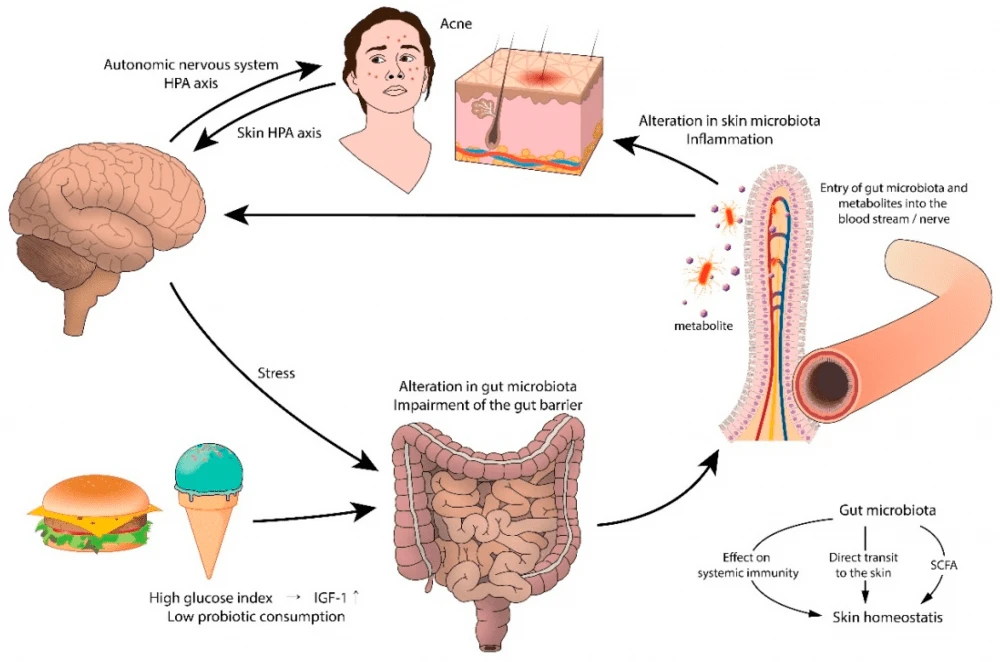
The gut-skin axis refers to the biochemical and immunological communication between your gastrointestinal tract and your skin. Your gut is home to trillions of microbes (collectively known as the gut microbiome) that regulate digestion, immune function, inflammation, and even mood. When the gut is in balance, it contributes to a well-functioning immune system and reduced inflammation — both of which are vital for maintaining healthy, glowing skin.
Signs Your Gut Might Be Affecting Your Skin
An imbalanced gut, or gut dysbiosis, can trigger a range of skin issues, including:
-
Acne
-
Eczema
-
Rosacea
-
Psoriasis
-
Dryness or sensitivity
Chronic inflammation from poor gut health can worsen these conditions or make the skin more prone to flare-ups. This is because a “leaky gut,” where the intestinal lining becomes permeable, allows toxins and partially digested food to enter the bloodstream, triggering immune responses and skin inflammation.
The Role of Diet
What you eat significantly impacts both gut and skin health. Diets high in sugar, processed foods, and alcohol can disrupt the gut microbiome and lead to inflammation, while fiber-rich, antioxidant-loaded foods promote balance.
Foods that support gut and skin health include:
-
Probiotic-rich foods like yogurt, kefir, kimchi, and sauerkraut
-
Prebiotic foods such as garlic, onions, bananas, and oats
-
Anti-inflammatory foods like berries, leafy greens, fatty fish, and turmeric
-
Plenty of water to aid digestion and skin hydration
Probiotics and Skin Health
Supplementing with probiotics has been shown to improve conditions like acne and eczema by restoring the balance of good bacteria in the gut. Certain strains, such as Lactobacillus and Bifidobacterium, may help reduce skin inflammation, strengthen the skin barrier, and decrease oxidative stress.
Tips for a Healthy Gut-Skin Relationship
-
Eat a balanced, whole-food diet
-
Avoid unnecessary antibiotics
-
Manage stress, as it affects both gut and skin health
-
Get enough sleep
-
Stay hydrated
-
Consider probiotic supplements if needed
Final Thoughts
Your gut and skin are more connected than you might think. By supporting your digestive system with the right foods, lifestyle habits, and possibly supplements, you can create a healthier internal environment that reflects outwardly as radiant, clear skin. The gut-skin axis isn’t just a trend — it’s a powerful reminder that beauty truly begins within.
Related Blog
What Are the Signs That You Have Sensitive Skin? Key Symptoms to Help You Identify This Delicate Skin Type
Aug 1, 2025 by Admin
General