
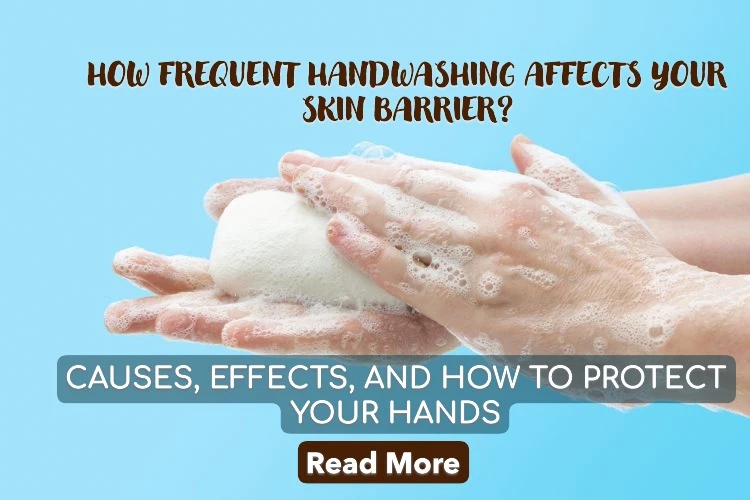
How Frequent Handwashing Affects Your Skin Barrier: Causes, Effects, and How to Protect Your Hands
How Frequent Handwashing Affects Your Skin Barrier: Causes, Effects, and How to Protect Your Hands
Frequent handwashing is a vital habit for maintaining good hygiene and preventing the spread of infections. However, excessive washing—especially with harsh soaps or alcohol-based sanitizers—can negatively affect the skin’s natural barrier. Understanding how frequent handwashing impacts your skin barrier and how to care for your hands properly can help you strike the right balance between cleanliness and skin health.
What Is the Skin Barrier?
The skin barrier is the outermost layer of your skin, scientifically known as the stratum corneum. It serves as a shield, preventing water loss while protecting against external irritants, bacteria, and allergens. This barrier is made up of skin cells (corneocytes) embedded in a matrix of lipids (fats), functioning much like bricks and mortar.
When this barrier is strong, your skin remains hydrated, smooth, and resilient. But frequent exposure to water, soap, and sanitizers can disrupt this delicate system.
How Handwashing Affects the Skin Barrier
-
Strips Away Natural Oils
Soap and water remove the natural oils (sebum) that maintain the moisture balance and integrity of the skin barrier. Without these oils, skin becomes dry, tight, and more vulnerable to damage. -
Disrupts Skin’s pH Balance
The skin has a naturally acidic pH that helps maintain its barrier and microbial balance. Many soaps are alkaline, which can disrupt this pH and compromise the skin’s ability to defend itself against irritants and pathogens. -
Leads to Dryness and Cracking
Frequent handwashing can result in dry, flaky skin and even painful cracks or fissures, especially around the knuckles and fingertips. This not only feels uncomfortable but also increases the risk of infection. -
Increases Sensitivity and Irritation
Once the skin barrier is weakened, hands are more prone to redness, itching, burning, and conditions like contact dermatitis or eczema. -
Slows Down Healing
A damaged barrier can delay the skin’s natural repair process, making minor irritations last longer and more likely to worsen with continued exposure to irritants.
How to Protect Your Skin Barrier While Washing Hands
-
Use a Gentle, Fragrance-Free Soap
Choose soaps or cleansers labeled "gentle," "hydrating," or "for sensitive skin." Avoid sulfates, fragrances, and harsh antibacterial agents unless necessary. -
Wash with Lukewarm Water
Hot water can strip oils faster than lukewarm water. Always opt for cooler temperatures to minimize damage. -
Moisturize Immediately After Washing
Apply a moisturizing hand cream or ointment while your skin is still slightly damp to lock in hydration. Look for ingredients like ceramides, glycerin, hyaluronic acid, or shea butter. -
Use Hand Cream Regularly
Reapply hand cream throughout the day, especially after each wash. At night, consider using a thicker moisturizer and wearing cotton gloves to enhance absorption. -
Wear Gloves for Protection
When cleaning or using harsh chemicals, wear gloves to minimize direct contact with irritants.
Conclusion
Handwashing is non-negotiable for health, but it shouldn’t come at the cost of your skin’s well-being. With the right skincare habits—gentle soaps, consistent moisturizing, and protective practices—you can keep your hands clean and maintain a strong, healthy skin barrier.
Related Blog
What Causes Oily Skin and Can It Be Managed Naturally? Exploring Root Causes and Gentle Solutions
Aug 2, 2025 by Admin
General
What Are the Signs That You Have Sensitive Skin? Key Symptoms to Help You Identify This Delicate Skin Type
Aug 1, 2025 by Admin
General