
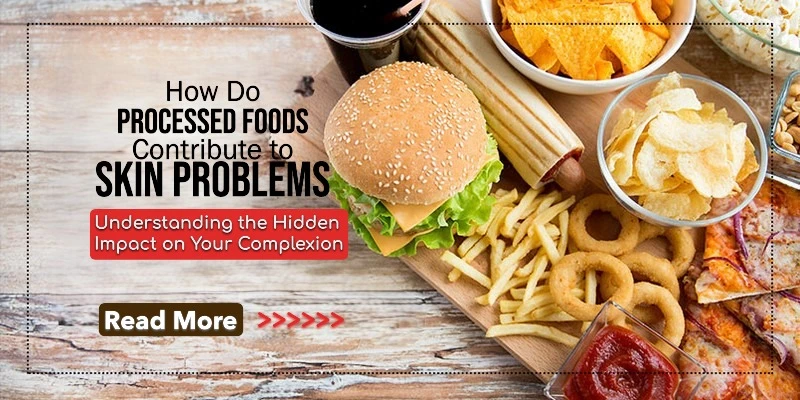
How Do Processed Foods Contribute to Skin Problems? Understanding the Hidden Impact on Your Complexion
How Do Processed Foods Contribute to Skin Problems? Understanding the Hidden Impact on Your Complexion
In today’s busy world, processed foods are everywhere — from packaged snacks and sugary drinks to fast food meals and ready-to-eat meals. While they’re undeniably convenient, these foods may have hidden consequences for your skin’s health and appearance. But how exactly do processed foods contribute to skin problems? Let’s explore what science and dermatologists have to say about this important link.
What Are Processed Foods?
Processed foods include any food that has been altered from its natural state, often to extend shelf life, enhance flavor, or improve texture. This can range from minimally processed items like canned vegetables to highly processed foods packed with sugar, unhealthy fats, salt, additives, and preservatives. It’s the latter — ultra-processed foods — that are most often linked to skin issues.
How Processed Foods Affect Your Skin
1. Spikes in Blood Sugar:
Many processed foods are high in refined carbohydrates and sugars. Eating them causes rapid spikes in blood sugar and insulin levels. High insulin stimulates the production of hormones called androgens and increases the activity of oil glands in the skin. This excess oil can clog pores and contribute to acne breakouts.
2. Promote Inflammation:
Processed foods often contain unhealthy fats like trans fats and excessive omega-6 fatty acids. These fats can trigger low-grade, chronic inflammation in the body, which is linked to conditions like acne, eczema, and rosacea. Inflammation also breaks down collagen and elastin over time, leading to premature aging and loss of skin firmness.
3. Glycation and Aging:
High sugar intake from processed foods can lead to a process called glycation. In glycation, sugar molecules bind to collagen and elastin fibers in the skin, making them stiff and less elastic. This accelerates the formation of wrinkles and contributes to dull, uneven skin tone.
4. Disrupts Gut Health:
A diet heavy in processed foods can disrupt the balance of good bacteria in the gut. Poor gut health has been increasingly linked to skin problems through what’s known as the gut–skin axis. When the gut barrier is compromised, it can lead to systemic inflammation and worsen skin conditions like acne, psoriasis, and dermatitis.
5. Lack of Nutrients:
Processed foods are typically low in skin-loving nutrients like antioxidants, vitamins, and minerals that help repair skin, fight free radicals, and support collagen production. Without these, your skin becomes more vulnerable to environmental damage and may look tired and dull.
What You Can Do
Improving your skin doesn’t mean you must completely eliminate processed foods overnight, but making small, mindful changes can help:
-
Replace sugary snacks with fruits rich in antioxidants.
-
Choose whole grains instead of refined grains.
-
Include foods high in omega-3 fatty acids, like walnuts or salmon, to help reduce inflammation.
-
Drink plenty of water to stay hydrated and support skin function.
Bottom Line
Processed foods can silently sabotage your skin by promoting inflammation, triggering breakouts, and accelerating aging. While occasional treats are fine, a balanced diet focused on whole, nutrient-dense foods can help protect your skin and keep your complexion clearer, healthier, and more radiant over the long term.
Related Blog
What Causes Oily Skin and Can It Be Managed Naturally? Exploring Root Causes and Gentle Solutions
Aug 2, 2025 by Admin
General
What Are the Signs That You Have Sensitive Skin? Key Symptoms to Help You Identify This Delicate Skin Type
Aug 1, 2025 by Admin
General