
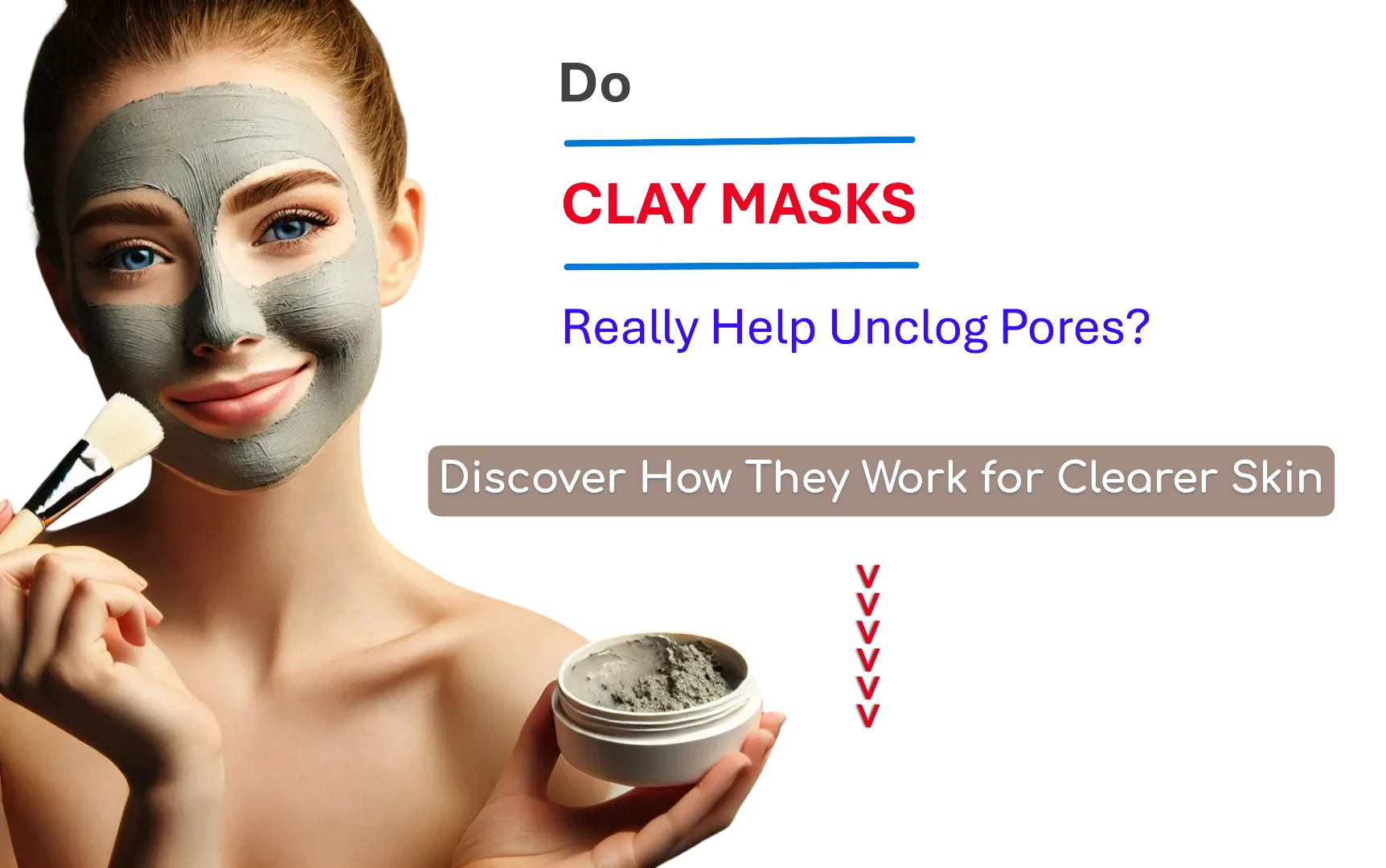
Do Clay Masks Really Help Unclog Pores? Discover How They Work for Clearer Skin
Do Clay Masks Really Help Unclog Pores? Discover How They Work for Clearer Skin
If you struggle with blackheads, excess oil, or congested skin, you’ve probably come across clay masks as a recommended solution. But do clay masks really help unclog pores, or are they just another skincare trend? Let’s explore what clay masks do, how they work, and whether they deserve a spot in your routine.
What Makes Clay Masks Special?
Clay masks are made from naturally occurring minerals like kaolin, bentonite, or French green clay. These clays have an exceptional ability to absorb oil and impurities from the skin. When applied, clay masks harden as they dry, drawing out excess sebum, dirt, and even microscopic debris that can settle into pores.
How Clay Masks Unclog Pores
Clogged pores often result from a buildup of dead skin cells, oil, and pollutants. Over time, this buildup oxidizes and becomes blackheads or turns into whiteheads. Clay masks target this problem by:
-
Absorbing excess oil: The porous structure of clay acts like a sponge, soaking up sebum that can block pores.
-
Drawing out impurities: As the mask dries, it creates a gentle pulling effect on the skin’s surface, helping dislodge dirt and debris trapped inside pores.
-
Gentle exfoliation: Some clays, like kaolin, also offer mild exfoliating properties, removing dead skin cells and preventing them from contributing to blockages.
This combination makes clay masks an effective way to keep pores looking clearer and smaller over time.
What Results Can You Expect?
Using a clay mask can leave your skin feeling refreshed, less oily, and visibly smoother. You might also notice your pores appear smaller after use, thanks to the removal of excess oil and buildup. However, clay masks aren’t a miracle cure. They can help maintain cleaner pores and reduce the risk of breakouts, but they won’t permanently shrink your pore size.
To get the best results, consistency matters. Incorporating a clay mask into your skincare routine once or twice a week can help keep oil and buildup under control, especially if you have oily or combination skin.
Who Should Use Clay Masks?
Clay masks are especially beneficial for people with:
-
Oily or acne-prone skin
-
Enlarged pores or frequent blackheads
-
Occasional breakouts linked to excess oil
If your skin is dry or sensitive, look for gentler clay masks (like kaolin) and limit use to once a week to avoid irritation.
Tips for Using Clay Masks Safely
-
Don’t let the mask over-dry: Wash off your mask as soon as it starts to harden but before it cracks. Over-drying can strip too much oil and irritate the skin.
-
Moisturize afterward: Follow with a hydrating serum or moisturizer to replenish moisture.
-
Avoid harsh scrubs on the same day: Combining clay masks with aggressive exfoliators may cause redness.
In summary: Clay masks can indeed help unclog pores by absorbing oil, drawing out impurities, and gently exfoliating the skin. While they won’t transform your skin overnight, regular use can contribute to a clearer, smoother, and healthier-looking complexion. If you choose the right mask for your skin type and use it properly, clay masks can become a simple yet powerful addition to your skincare routine.
Related Blog
What Causes Oily Skin and Can It Be Managed Naturally? Exploring Root Causes and Gentle Solutions
Aug 2, 2025 by Admin
General
What Are the Signs That You Have Sensitive Skin? Key Symptoms to Help You Identify This Delicate Skin Type
Aug 1, 2025 by Admin
General