
Can Sugar Cause Breakouts? The Link Between Diet and Acne Explained
Can Sugar Cause Breakouts? The Link Between Diet and Acne Explained
If you’ve ever noticed a sudden breakout after indulging in sweets, you’re not imagining it—sugar may actually play a role in acne. While diet isn’t the only cause of breakouts, research shows a strong connection between high-sugar diets and skin issues like acne, inflammation, and excess oil production. Understanding how sugar affects your skin can help you make better dietary choices for a clearer, healthier complexion.
How Sugar Affects Your Skin
When you consume sugary foods or beverages, your blood sugar levels rise rapidly. In response, your body releases insulin to help process the glucose. However, frequent spikes in insulin levels can trigger a hormonal chain reaction that increases oil (sebum) production in your skin. Excess sebum, combined with dead skin cells and bacteria, can clog pores and lead to breakouts.
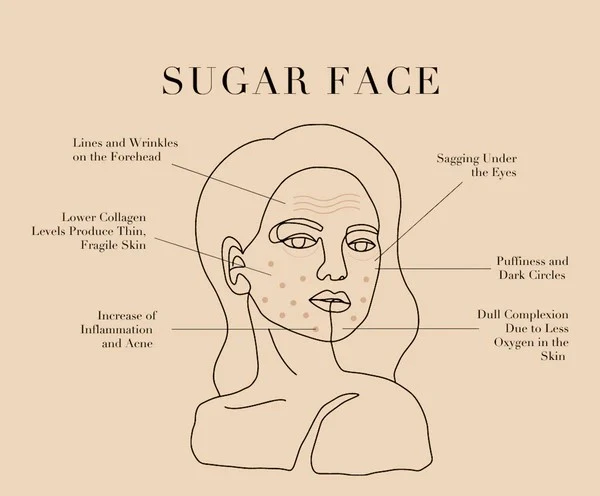
Sugar also contributes to inflammation, which plays a major role in acne. A high-sugar diet may increase the production of inflammatory markers in the body, worsening existing acne and making blemishes more red, swollen, and painful.
High-Glycemic vs. Low-Glycemic Foods
The glycemic index (GI) measures how quickly a food raises blood sugar. Foods with a high glycemic index—such as white bread, sugary cereals, candy, soda, and baked goods—cause rapid spikes in blood glucose and insulin. These spikes are linked to a greater risk of developing acne.
On the other hand, low-glycemic foods like whole grains, legumes, fruits, and vegetables release sugar slowly into the bloodstream, leading to more stable insulin levels and less skin inflammation.
A number of studies suggest that low-glycemic diets may improve acne symptoms. In fact, people who switch to a lower-GI diet often report fewer breakouts and less oily skin.
Other Sugar-Related Skin Concerns
Beyond acne, sugar can also contribute to premature aging through a process called glycation. This occurs when sugar molecules attach to collagen and elastin—the proteins that keep your skin firm and elastic—making them stiff and less functional. As a result, your skin may lose its youthful bounce and develop fine lines more quickly.
How to Reduce Sugar and Support Clear Skin
-
Limit refined sugars and processed foods such as cookies, pastries, candy, and soda.
-
Choose natural sweeteners like honey or maple syrup in moderation.
-
Incorporate low-GI, whole foods into your meals, such as oats, lentils, leafy greens, and berries.
-
Stay hydrated and consume antioxidant-rich foods to help fight inflammation and protect your skin.
-
Read ingredient labels carefully—sugar hides under many names (e.g., sucrose, high-fructose corn syrup, maltose).
Conclusion
While sugar isn't the sole cause of acne, it can significantly contribute to breakouts by spiking insulin, increasing inflammation, and stimulating oil production. By reducing your intake of high-glycemic foods and focusing on a balanced, whole-foods diet, you can support your skin’s natural clarity and glow. For clearer skin, think beyond the mirror—start with your plate.
Related Blog
What Causes Oily Skin and Can It Be Managed Naturally? Exploring Root Causes and Gentle Solutions
Aug 2, 2025 by Admin
General
What Are the Signs That You Have Sensitive Skin? Key Symptoms to Help You Identify This Delicate Skin Type
Aug 1, 2025 by Admin
General