
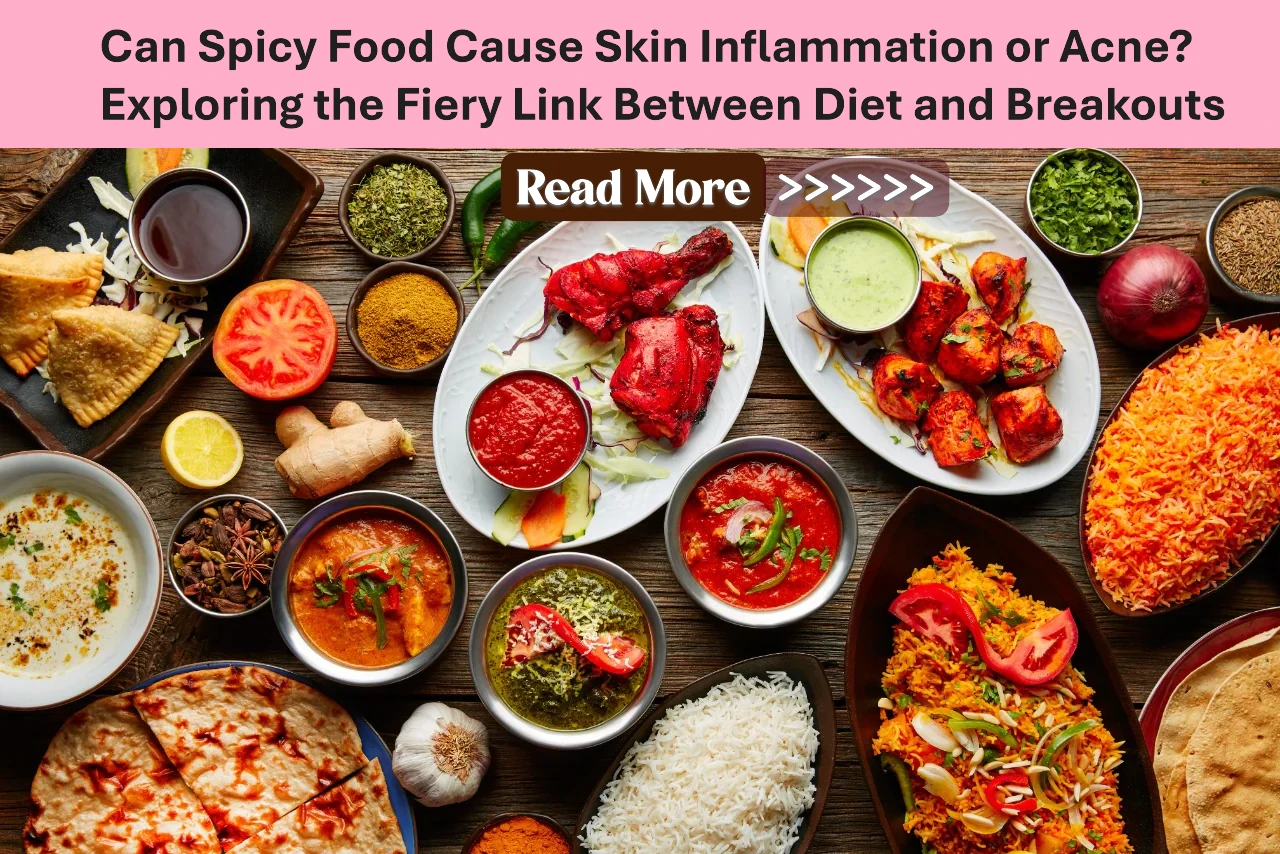
Can Spicy Food Cause Skin Inflammation or Acne? Exploring the Fiery Link Between Diet and Breakouts
Can Spicy Food Cause Skin Inflammation or Acne? Exploring the Fiery Link Between Diet and Breakouts
Spicy food is loved for its bold flavors and the satisfying heat it brings to meals. But many people wonder if indulging in spicy dishes might also bring something less welcome: breakouts and skin inflammation. Is there really a link between eating spicy foods and acne, or is it just another skincare myth? Let’s take a closer look at what science and dermatologists say about this spicy subject.
Understanding Spicy Food’s Effect on the Skin
Spicy foods—like chili peppers, hot sauces, and curries—often contain capsaicin, the compound responsible for the heat you feel. Capsaicin itself doesn’t directly cause acne, but it can trigger certain responses in the body that may lead to redness, inflammation, and sometimes breakouts, especially in people with sensitive or acne-prone skin.
When you eat something spicy, your body temperature rises, and blood vessels dilate. This can lead to facial flushing and an increase in oil (sebum) production. Extra oil on the skin can clog pores, which, combined with bacteria and dead skin cells, can contribute to acne.
The Link to Inflammation
Acne is largely an inflammatory condition. While spicy foods don’t directly create acne-causing bacteria, they can contribute to systemic inflammation in some people, potentially worsening existing breakouts. If your skin is already irritated or inflamed, spicy meals might aggravate the situation, leading to redness or making blemishes appear more pronounced.
Rosacea and Flushing
For people with rosacea, spicy foods are well-known triggers for flare-ups. The heat from these foods dilates blood vessels, causing redness and visible blood vessels on the skin. Even for those without rosacea, frequent consumption of very spicy meals might contribute to occasional facial flushing and irritation.
Does Everyone React the Same Way?
It’s important to note that not everyone will notice skin changes after eating spicy foods. Genetics, skin type, and overall diet all play roles. Some people can enjoy spicy meals daily without issue, while others might notice redness or breakouts after even a single spicy dish.
If you suspect spicy foods might be affecting your skin, try keeping a food diary. Track what you eat and how your skin reacts over time. This can help identify whether spicy meals are truly a trigger for you.
Other Dietary Considerations
Often, spicy foods aren’t eaten alone—they come in dishes that may also be high in oil, sugar, or dairy, all of which have stronger links to acne than spices themselves. Sometimes, it’s not the heat from chili peppers but the creamy sauces or fried elements that accompany them that can clog pores and cause breakouts.
How to Enjoy Spicy Foods Safely
-
Limit overly spicy meals if you notice skin flare-ups.
-
Pair spicy foods with cooling ingredients like cucumber or yogurt to help balance the effect.
-
Maintain a skincare routine that includes gentle cleansing and non-comedogenic moisturizers.
-
Stay hydrated, as dehydration can make inflammation worse.
In summary, while spicy food doesn’t directly cause acne, it can lead to skin inflammation, redness, and possibly worsen existing breakouts—especially in people with sensitive or acne-prone skin. Paying attention to your body’s response and practicing moderation can help you keep both your love for spice and your skin in balance.
Related Blog
What Causes Oily Skin and Can It Be Managed Naturally? Exploring Root Causes and Gentle Solutions
Aug 2, 2025 by Admin
General
What Are the Signs That You Have Sensitive Skin? Key Symptoms to Help You Identify This Delicate Skin Type
Aug 1, 2025 by Admin
General