
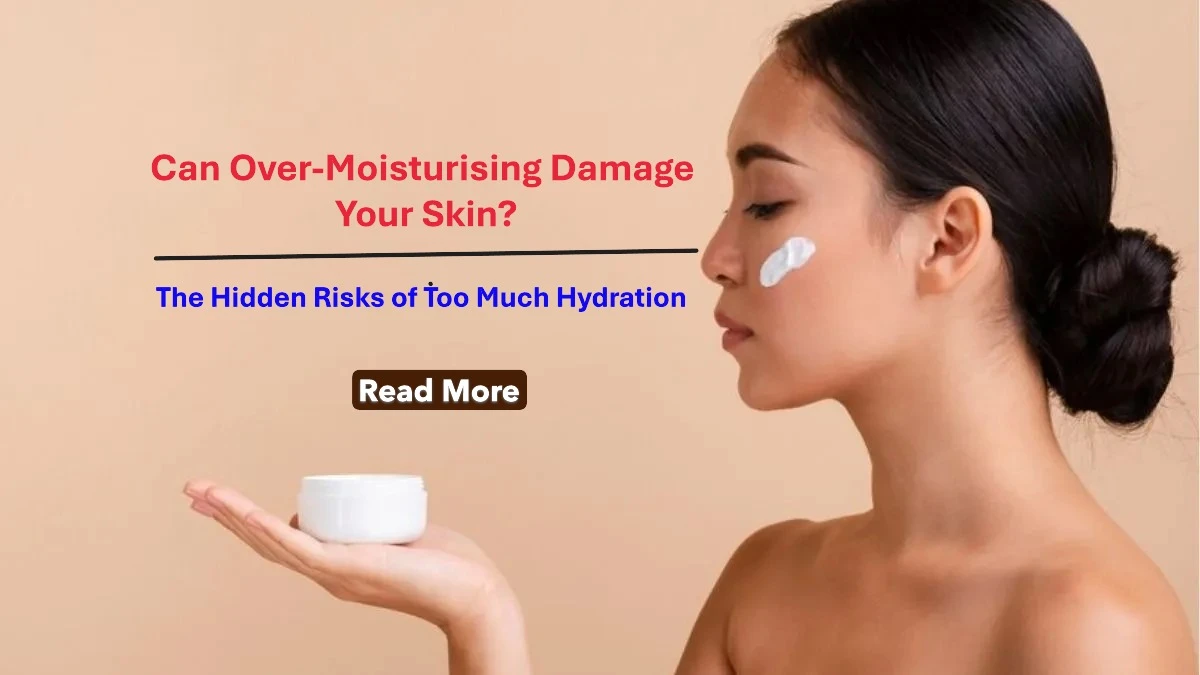
Can Over-Moisturising Damage Your Skin? The Hidden Risks of Too Much Hydration
Can Over-Moisturising Damage Your Skin? The Hidden Risks of Too Much Hydration
Moisturising is a critical step in any skincare routine, helping to maintain hydration, strengthen the skin barrier, and promote a healthy glow. But is there such a thing as too much moisture? Surprisingly, yes. While it may seem counterintuitive, over-moisturising your skin can actually lead to a host of skin issues. Let’s explore how this happens and what you can do to strike the right balance.
What Happens When You Over-Moisturise?
When you apply moisturiser too often or use products that are too heavy for your skin type, it can disrupt your skin’s natural balance. Your skin has a built-in mechanism to produce its own oils (sebum), which protect and hydrate it. When you constantly apply moisturisers, your skin may become "lazy," reducing its own oil production over time. This can make your skin reliant on external hydration and weaken its natural barrier.
Potential Side Effects of Over-Moisturising
-
Clogged Pores and Breakouts: Using rich, occlusive moisturisers too frequently can clog pores, especially if you have oily or acne-prone skin. This creates a breeding ground for acne-causing bacteria.
-
Weakened Skin Barrier: Over-moisturising can interfere with your skin’s ability to self-regulate. A compromised skin barrier makes your skin more sensitive, prone to redness, irritation, and environmental damage.
-
Increased Oiliness: Paradoxically, over-moisturising can lead to greasier skin. As your skin tries to adjust to the excessive hydration, it may start overproducing oil to compensate for the disrupted balance.
-
Dull, Congested Skin: If dead skin cells aren’t being properly exfoliated because you're layering too many emollients, your skin can look dull, congested, and lacklustre.
How Much Moisturising Is Too Much?
There’s no one-size-fits-all answer, but applying moisturiser more than twice a day without a specific skin condition may be excessive for most people. The frequency and type of moisturiser should depend on your skin type, climate, and specific needs. For example:
-
Dry skin may benefit from twice-daily application.
-
Oily or combination skin may only need moisturising once a day with a lightweight, non-comedogenic formula.
-
Humid climates may require less frequent moisturising, while dry, cold weather may necessitate more hydration.
Tips to Avoid Over-Moisturising
-
Choose the right moisturiser for your skin type.
-
Apply only as needed, typically after cleansing and toning.
-
Monitor your skin’s response—if you notice increased oiliness, sensitivity, or breakouts, it may be time to scale back.
-
Incorporate exfoliation to remove dead skin cells and allow moisturiser to penetrate effectively without overloading the surface.
Final Thoughts
Moisturising is essential, but balance is key. Over-moisturising may seem harmless, but it can undermine your skin’s health and resilience. By listening to your skin and tailoring your routine to its changing needs, you can maintain a healthy, radiant complexion—without overdoing it.
Related Blog
What Are the Signs That You Have Sensitive Skin? Key Symptoms to Help You Identify This Delicate Skin Type
Aug 1, 2025 by Admin
General