
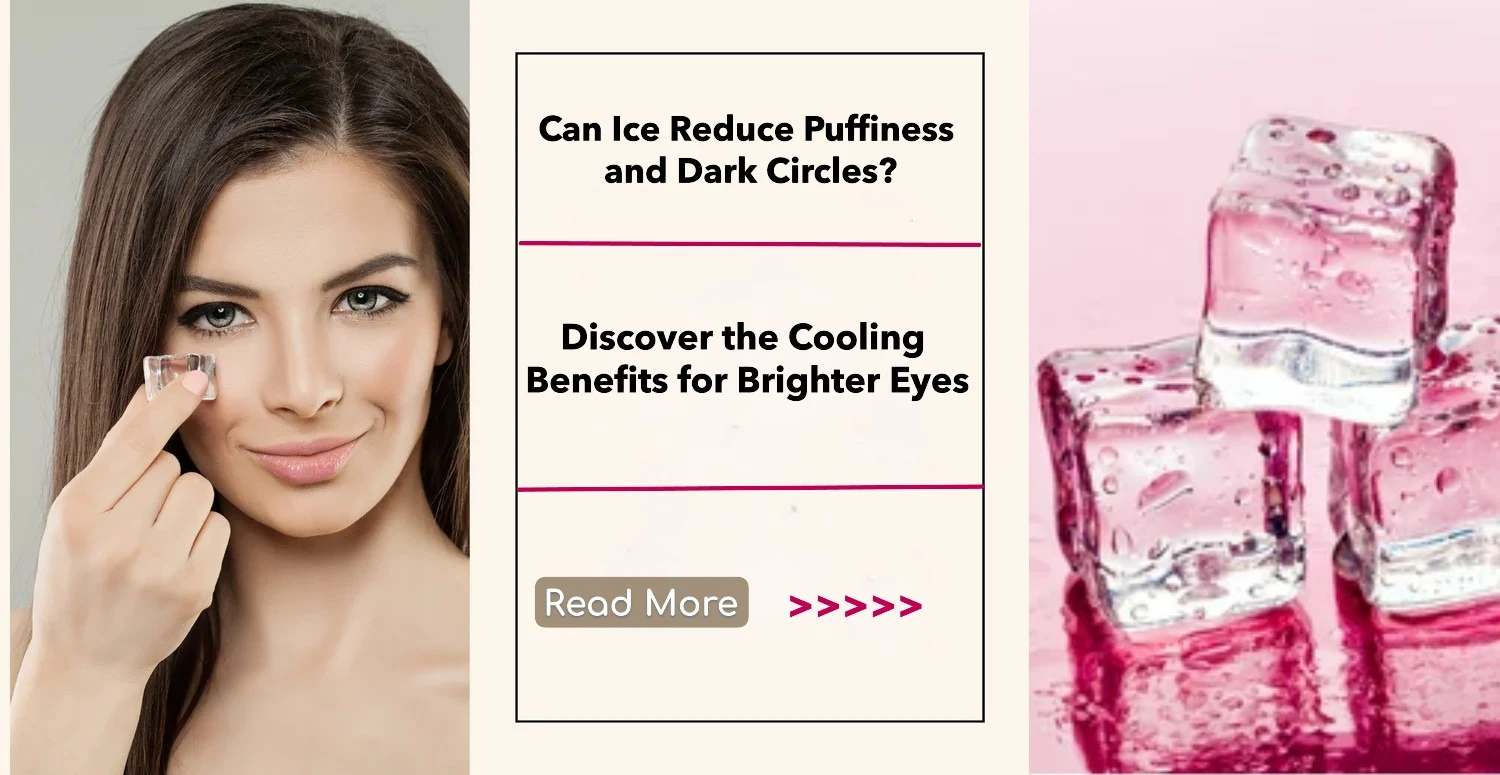
Can Ice Reduce Puffiness and Dark Circles? Discover the Cooling Benefits for Brighter Eyes
Can Ice Reduce Puffiness and Dark Circles? Discover the Cooling Benefits for Brighter Eyes
Puffiness and dark circles under the eyes are common concerns for many people, often making us look tired or stressed. While there are countless creams and serums on the market, one of the simplest and most affordable remedies is sitting right in your freezer: ice. But can ice truly help reduce puffiness and lighten dark circles? Let’s explore the science and benefits behind this cooling beauty hack.
How Ice Helps Reduce Puffiness
Puffiness around the eyes usually results from fluid retention, lack of sleep, allergies, or even too much salt in the diet. Applying ice or a cold compress causes blood vessels to constrict, which can help decrease swelling and inflammation. This process, known as vasoconstriction, effectively reduces fluid buildup and tightens the skin temporarily, giving your eyes a fresher, less puffy appearance.
Many skincare experts recommend gently massaging the under-eye area with an ice cube wrapped in a soft cloth. This technique can also stimulate circulation, encouraging the lymphatic system to drain excess fluid that contributes to puffiness.
Can Ice Lighten Dark Circles?
Dark circles can be trickier to treat because they may be caused by multiple factors, including genetics, thin skin, pigmentation, or lifestyle habits. While ice won’t erase hereditary dark circles or pigmentation completely, it can help minimize the appearance of dark circles caused by dilated blood vessels and inflammation.
By reducing swelling and improving blood circulation, ice therapy may make the under-eye area look brighter and healthier. For a gentle boost, some people add ingredients like cucumber juice, green tea, or rose water to ice cubes. These natural ingredients have soothing, antioxidant, and anti-inflammatory properties that may enhance the benefits of cold therapy.
How to Use Ice Safely on Your Eyes
To safely use ice around the delicate eye area:
-
Wrap the ice cube: Always use a clean cloth, tissue, or special ice roller to avoid direct contact, which can damage the skin or cause broken capillaries.
-
Massage gently: Move in circular motions or sweep from the inner corner outward for 1–2 minutes.
-
Don’t overdo it: Limit ice application to once or twice a day to avoid irritation.
-
Moisturize afterward: Follow with an eye cream or lightweight moisturizer to keep skin hydrated.
Additional Cooling Tools
If holding an ice cube feels messy or too cold, consider alternatives like chilled spoons, jade rollers, or reusable gel masks kept in the refrigerator. These tools offer a controlled and comfortable way to deliver cooling therapy without direct melting ice.
Bottom Line
Ice isn’t a miracle cure for all causes of puffiness and dark circles, but it’s a quick, cost-effective, and refreshing method to temporarily soothe tired eyes. By tightening blood vessels and reducing swelling, ice can help your eyes look more awake and less puffy. Combine this with good sleep, hydration, and a balanced diet for brighter, healthier-looking skin.
Tip: For extra benefit, make herbal ice cubes with chamomile tea or green tea, which add calming and antioxidant properties to your cooling routine.
By adding ice therapy into your skincare ritual thoughtfully, you can enjoy its simple yet effective cooling benefits for brighter, more refreshed eyes.
Related Blog
What Causes Oily Skin and Can It Be Managed Naturally? Exploring Root Causes and Gentle Solutions
Aug 2, 2025 by Admin
General
What Are the Signs That You Have Sensitive Skin? Key Symptoms to Help You Identify This Delicate Skin Type
Aug 1, 2025 by Admin
General