
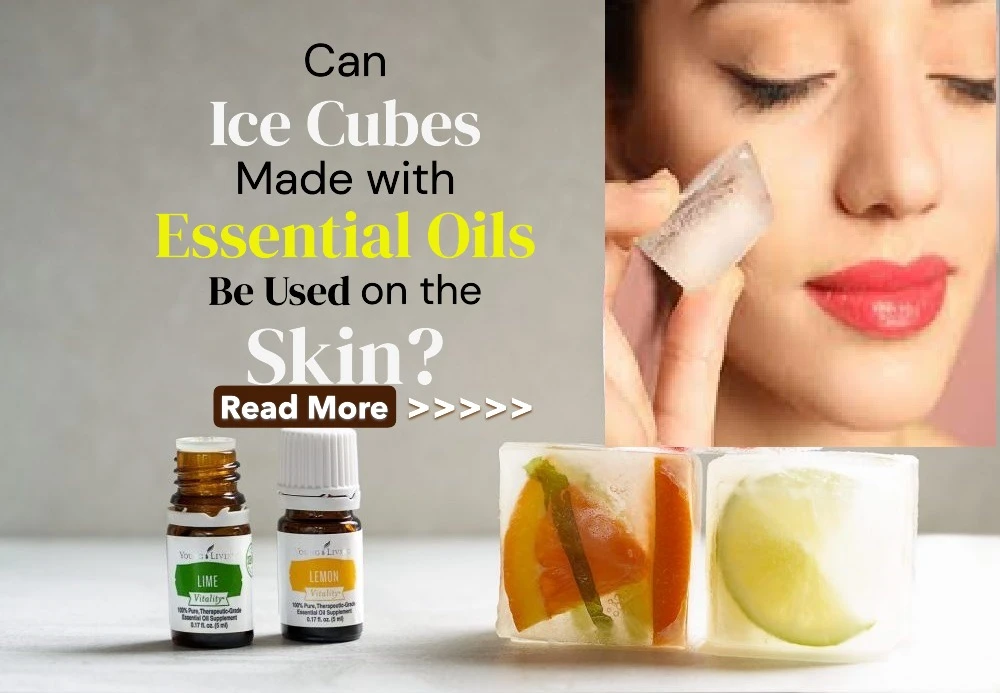
Can Ice Cubes Made with Essential Oils Be Used on the Skin? Safety Tips and Benefits Explained
Can Ice Cubes Made with Essential Oils Be Used on the Skin? Safety Tips and Benefits Explained
The idea of combining the cooling effect of ice with the soothing aroma of essential oils sounds luxurious and appealing. Ice facials are already popular for reducing puffiness and refreshing the skin, so why not add a few drops of lavender, tea tree, or rose oil to boost the benefits? While it might seem like a natural skincare upgrade, using essential oils in ice cubes requires careful consideration. Here’s what you need to know about the safety, risks, and potential benefits.
Understanding Essential Oils and Their Strength
Essential oils are highly concentrated plant extracts known for their fragrance and therapeutic properties. While they offer benefits like antibacterial, calming, or brightening effects, they can also be irritating or sensitizing—especially when used incorrectly.
Direct contact with undiluted essential oils can lead to redness, itching, or even chemical burns. The skin on the face is particularly delicate, and the freezing temperature of ice can increase the risk of irritation by making the skin temporarily more sensitive.
Are Essential Oil Ice Cubes Safe?
Using essential oils in ice cubes isn’t generally recommended for a few important reasons:
-
Risk of irritation: Ice alone constricts blood vessels and can cause temporary numbness. When combined with the potency of essential oils, this can amplify skin reactions, leading to redness, burning, or allergic responses.
-
Concentration issues: Even a few drops of essential oil may still be too strong when frozen and applied directly to the skin.
-
Increased sensitivity: Cold temperatures can weaken the skin’s barrier momentarily, making it easier for essential oils to penetrate too deeply and cause irritation.
If you still want to experiment, it’s crucial to follow safety guidelines:
-
Dilute properly: Always mix essential oils with a carrier liquid (like aloe vera gel, rose water, or even plain water) before freezing. The typical dilution for skincare is about 1 drop of essential oil per teaspoon (about 5 ml) of carrier liquid.
-
Patch test: Test the ice cube mixture on a small area of your inner arm and wait 24 hours to see if there’s a reaction.
-
Wrap in cloth: Never apply an ice cube directly on the skin. Instead, wrap it in a thin cotton cloth to reduce the intensity.
Potential Benefits if Done Safely
When used carefully, essential oil-infused ice cubes might offer:
-
Cooling and soothing: Helpful for inflamed or tired skin, especially after sun exposure.
-
Aromatherapy benefits: Lavender or chamomile can promote relaxation, while peppermint may provide a refreshing boost.
-
Targeted skincare effects: Tea tree oil has antibacterial properties that could be useful for acne-prone skin, though always in moderation.
Safer Alternatives
Instead of adding essential oils directly, consider freezing natural, less concentrated ingredients that are gentler on the skin, like:
-
Aloe vera gel
-
Green tea
-
Cucumber juice
-
Rose water
These natural liquids can still offer calming and antioxidant benefits without the higher risk of irritation.
Final Thoughts
While the idea of essential oil ice cubes is creative, it’s not always the safest option for skincare due to the potency of essential oils and the skin-sensitizing effect of cold. If you choose to try it, remember to dilute carefully, patch test, and protect your skin with a cloth. Often, simple ice cubes made with soothing natural liquids can deliver similar benefits—without the risks. Your skin will thank you for the gentler approach.
Related Blog
What Causes Oily Skin and Can It Be Managed Naturally? Exploring Root Causes and Gentle Solutions
Aug 2, 2025 by Admin
General
What Are the Signs That You Have Sensitive Skin? Key Symptoms to Help You Identify This Delicate Skin Type
Aug 1, 2025 by Admin
General