
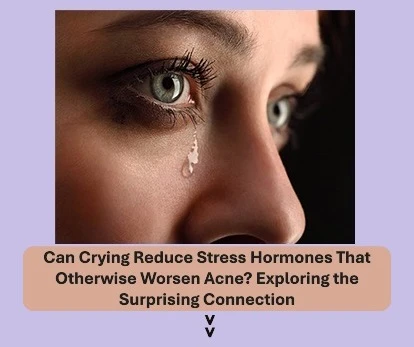
Can Crying Reduce Stress Hormones That Otherwise Worsen Acne? Exploring the Surprising Connection
Can Crying Reduce Stress Hormones That Otherwise Worsen Acne? Exploring the Surprising Connection
We all know the emotional relief that can follow a good cry, but could tears also have physical benefits—like improving your skin? Many people who struggle with breakouts wonder whether crying might help reduce the stress that contributes to acne. The idea isn’t just emotional wishful thinking; there’s some scientific basis to it. Let’s explore how crying might impact stress hormones and what that could mean for acne-prone skin.
Understanding the Link Between Stress and Acne
Stress is a well-known trigger for acne flare-ups. When you’re under stress, your body produces more of the hormone cortisol and other stress-related chemicals. Elevated cortisol levels can lead to increased oil (sebum) production in your skin’s sebaceous glands, which can clog pores and promote inflammation—two major factors that contribute to acne.
Additionally, stress can disrupt healthy immune function and wound healing, making it harder for existing breakouts to clear and increasing the likelihood of scarring or prolonged redness.
How Crying Might Help Lower Stress
Crying is often seen as an emotional release, but researchers suggest it may also play a physiological role in reducing stress. When you cry emotional tears (different from reflex tears triggered by wind or onions), your body releases stress hormones and other chemicals. Some studies suggest that crying may help flush out excess cortisol and other stress-related compounds, leading to a temporary drop in stress levels.
After a cry, many people report feeling calmer and more relaxed—a phenomenon sometimes called the “after-cry relaxation effect.” This emotional release can activate the parasympathetic nervous system, which helps the body recover from the heightened alert state brought on by stress.
Could This Impact Acne?
If crying truly lowers cortisol—even temporarily—it could indirectly help with acne. Less cortisol means less stimulation of oil glands, which may help reduce clogged pores and inflammation over time. While crying alone isn’t a cure for acne, it could complement other stress-reducing habits like mindfulness, exercise, and adequate sleep.
It’s also important to recognize the psychological side: feeling emotionally lighter after crying can reduce the urge to pick at your skin, which itself can prevent breakouts and scarring.
The Other Side: Crying and Skin Irritation
While crying might help lower stress hormones, the act of crying can also irritate your skin. Tears contain salt, which can dry out and inflame sensitive skin, especially if you rub your eyes or face roughly while wiping tears away. This irritation can temporarily worsen redness and puffiness.
To protect your skin, gently blot tears instead of rubbing, and rinse your face with cool water afterward. Follow with a lightweight, hydrating moisturizer to restore lost moisture and soothe irritation.
Practical Tips for Stress-Related Acne
-
Combine stress management with skincare: Use gentle, non-comedogenic products alongside lifestyle practices like meditation, exercise, and balanced sleep.
-
Address underlying triggers: Consider talking to a mental health professional if chronic stress feels overwhelming.
-
Protect your skin barrier: Avoid harsh cleansers and keep skin hydrated to prevent irritation from tears.
Final Thoughts
Crying isn’t a miracle treatment for acne, but it might help by reducing stress hormones that worsen breakouts. Ultimately, managing acne requires a combination of good skincare habits, balanced lifestyle choices, and attention to emotional well-being. So, the next time you feel tears welling up, remember—they might be helping both your mind and, indirectly, your skin.
Related Blog
What Causes Oily Skin and Can It Be Managed Naturally? Exploring Root Causes and Gentle Solutions
Aug 2, 2025 by Admin
General
What Are the Signs That You Have Sensitive Skin? Key Symptoms to Help You Identify This Delicate Skin Type
Aug 1, 2025 by Admin
General