
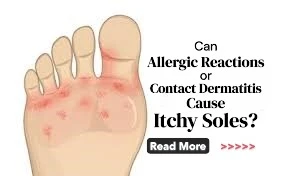
Can Allergic Reactions or Contact Dermatitis Cause Itchy Soles? Understanding Triggers and Relief Tips
Can Allergic Reactions or Contact Dermatitis Cause Itchy Soles? Understanding Triggers and Relief Tips
An itchy sensation on the soles of your feet can be annoying, distracting, and sometimes even painful. While there are many possible causes, allergic reactions and contact dermatitis are among the most common reasons people experience itchy soles. Understanding how these reactions occur, what triggers them, and how to find relief can help you protect your skin and maintain foot comfort.
What Is Contact Dermatitis?
Contact dermatitis is an inflammatory skin reaction that happens when your skin comes into contact with a substance that irritates it or causes an allergic response. There are two main types:
-
Irritant contact dermatitis occurs when something physically damages the skin barrier, like harsh soaps or excessive moisture.
-
Allergic contact dermatitis happens when your immune system reacts to a specific allergen, even in small amounts.
Both types can affect the soles of the feet, leading to redness, itching, swelling, and sometimes blistering or peeling.
Common Triggers for Itchy Soles
Your feet can encounter many potential irritants and allergens daily, making them especially vulnerable. Some common culprits include:
-
Shoes and Socks:
Certain dyes, glues, rubber, or leather treatments used in shoes can trigger allergic reactions. Synthetic fabrics in socks may also cause irritation. -
Personal Care Products:
Fragranced soaps, foot creams, detergents, or laundry softeners can contain chemicals that irritate the skin. -
Environmental Factors:
Walking barefoot on grass, sand, or treated floors may expose your skin to plant allergens, fertilizers, or cleaning agents. -
Sweat and Heat:
Excess moisture from sweat can soften the skin, making it more sensitive to irritants and allergens, which can increase itching.
Recognizing Symptoms
Contact dermatitis on the soles often presents as:
-
Intense itching or burning
-
Redness and swelling
-
Dry, cracked, or thickened skin
-
Small fluid-filled blisters in severe reactions
Symptoms can appear quickly after exposure or develop gradually over time, depending on sensitivity and the amount of contact.
How to Find Relief and Prevent Recurrence
-
Identify and Avoid Triggers:
Consider recent changes in footwear, detergents, or products. Patch testing by a dermatologist can help pinpoint specific allergens. -
Practice Gentle Skincare:
Use mild, fragrance-free cleansers and moisturizers to reduce irritation and support the skin’s barrier. -
Keep Feet Dry and Cool:
Change socks daily, choose breathable materials like cotton or moisture-wicking blends, and let shoes dry out between uses. -
Soothe Itching:
Applying cool compresses or over-the-counter anti-itch creams containing hydrocortisone can ease discomfort. Avoid scratching to prevent further irritation or infection. -
Seek Medical Advice:
If itching is severe, persistent, or accompanied by pain, cracks, or signs of infection, consult a healthcare provider. Prescription creams, oral medications, or professional patch testing may be necessary.
Conclusion
Yes, allergic reactions and contact dermatitis can indeed cause itchy soles, turning something as simple as walking into an uncomfortable experience. By recognizing common triggers, practicing good foot hygiene, and seeking medical advice when needed, you can manage symptoms and keep your feet healthy. Remember: taking care of your feet isn’t just about comfort—it’s about protecting your skin’s health and overall well-being.
Related Blog
What Causes Oily Skin and Can It Be Managed Naturally? Exploring Root Causes and Gentle Solutions
Aug 2, 2025 by Admin
General
What Are the Signs That You Have Sensitive Skin? Key Symptoms to Help You Identify This Delicate Skin Type
Aug 1, 2025 by Admin
General