
Can Acanthosis Nigricans Cause Dark Skin on the Neck? Understanding the Causes and Signs
Can Acanthosis Nigricans Cause Dark Skin on the Neck? Understanding the Causes and Signs
Dark, velvety patches of skin on the neck can be distressing, especially when they seem to appear without warning. One of the most common causes of this type of skin change is a condition known as acanthosis nigricans. But what exactly is acanthosis nigricans, and why does it cause the skin on the neck to darken? Let’s explore the details, from its causes to what it might reveal about your overall health.
What Is Acanthosis Nigricans?
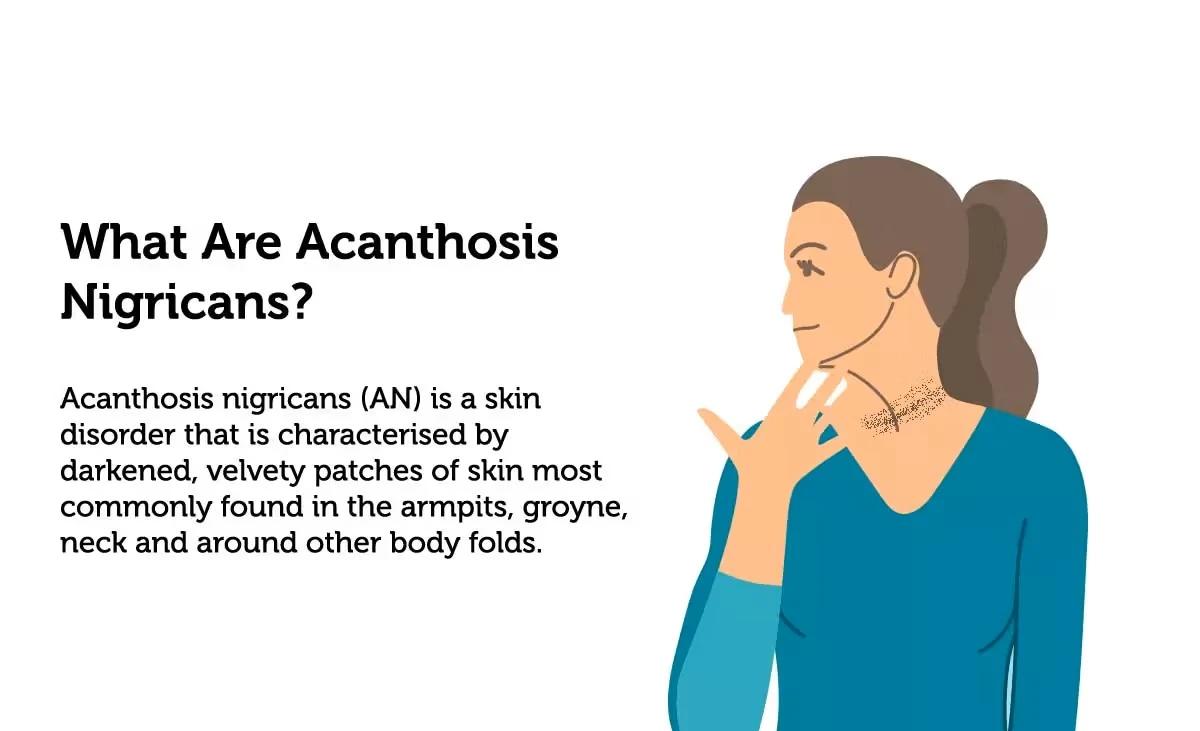
Acanthosis nigricans is a skin condition characterized by areas of darker, thicker, and sometimes slightly raised skin. These patches often feel soft and may appear velvety to the touch. While it most commonly affects the neck, it can also appear on the armpits, groin, elbows, and even knuckles.
Though it is not contagious or dangerous on its own, acanthosis nigricans is often a visible sign of underlying health issues that may need medical attention.
Why Does It Happen?
The most common cause of acanthosis nigricans is insulin resistance, which is when the body's cells don’t respond effectively to insulin. Insulin resistance can lead to elevated insulin levels in the blood, which can stimulate skin cells to grow faster, producing the thickened, darker patches.
This is why acanthosis nigricans is frequently seen in people with:
-
Type 2 diabetes
-
Polycystic ovary syndrome (PCOS)
-
Obesity
In some rarer cases, acanthosis nigricans may be linked to:
-
Hormonal disorders, such as thyroid problems
-
Certain medications, including high-dose niacin, birth control pills, or steroids
-
Genetic factors
-
Even, though rarely, internal cancers, especially of the stomach
Recognizing the Signs
Dark patches of skin on the neck are often the first clue. Other signs include:
-
Thickened, velvety skin texture
-
Gradual spreading of the pigmentation to nearby areas, like the sides of the neck or collarbone
-
Sometimes, mild itching or odor
If you notice these changes, especially if they appear suddenly or are accompanied by other symptoms like unexplained weight loss, it’s important to consult a healthcare professional to rule out more serious underlying causes.
What You Can Do
Since acanthosis nigricans itself isn’t harmful, treatment focuses on addressing its root cause. Here are some steps that may help:
-
Manage insulin resistance: Healthy eating, regular physical activity, and weight management can significantly reduce insulin levels and sometimes improve the appearance of the skin.
-
Treat underlying conditions: Controlling diabetes or hormonal imbalances can prevent further darkening.
-
Topical treatments: Creams with ingredients like retinoids, lactic acid, or urea may help smooth and lighten affected skin, though results vary.
-
Medical procedures: Dermatologists might recommend laser therapy or chemical peels in some cases.
The Bottom Line
Yes, acanthosis nigricans can cause dark skin on the neck, but it’s usually a sign that something else might be going on inside the body—often related to insulin resistance or hormonal changes. Paying attention to these skin changes and seeking medical advice early can help you manage both the appearance and the underlying health concerns effectively.
Related Blog
What Causes Oily Skin and Can It Be Managed Naturally? Exploring Root Causes and Gentle Solutions
Aug 2, 2025 by Admin
General
What Are the Signs That You Have Sensitive Skin? Key Symptoms to Help You Identify This Delicate Skin Type
Aug 1, 2025 by Admin
General