
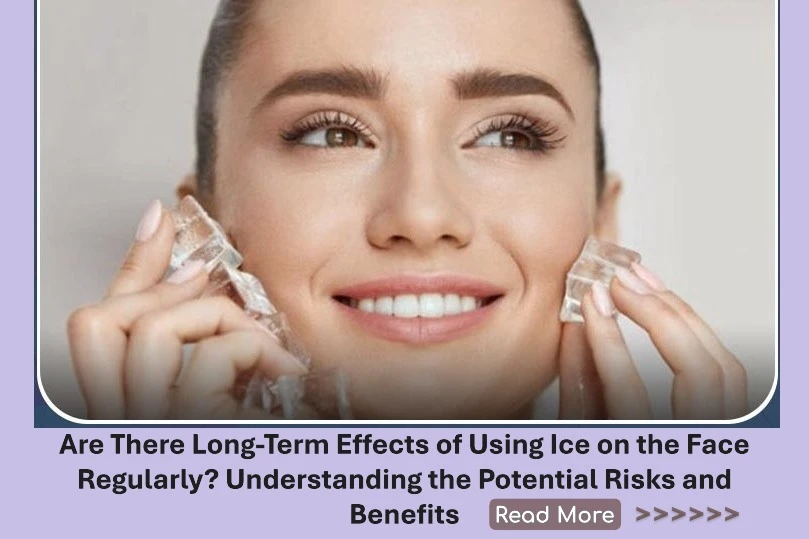
Are There Long-Term Effects of Using Ice on the Face Regularly? Understanding the Potential Risks and Benefits
Are There Long-Term Effects of Using Ice on the Face Regularly? Understanding the Potential Risks and Benefits
Using ice on the face has become a popular beauty ritual, praised for its instant cooling sensation, pore-tightening effect, and ability to reduce puffiness. But while icing might seem like an easy, natural skincare trick, many people wonder: what happens if you do it often, even daily? Are there long-term effects—good or bad—of making ice part of your regular routine? Let’s explore what science and skincare experts have to say.
Short-Term Benefits of Facial Icing
Icing works by constricting blood vessels, temporarily reducing blood flow to the skin. This process, called vasoconstriction, can:
-
Reduce puffiness and under-eye bags
-
Temporarily shrink the appearance of pores
-
Calm redness or irritation
-
Soothe inflamed breakouts
-
Give skin a fresher, brighter appearance
These effects are mostly temporary and can help the skin look smoother or more awake, especially in the morning.
Potential Long-Term Effects
1. Skin Irritation and Redness
Frequent or prolonged icing, especially if ice is applied directly to the skin, can cause irritation. Over time, this may lead to chronic redness, heightened sensitivity, or even dermatitis in some people.
2. Broken Capillaries
The sudden constriction and dilation of blood vessels from repeated icing can weaken capillaries. This may increase the risk of broken capillaries, which appear as small red or purple lines on the skin, especially in sensitive areas like the cheeks.
3. Dryness and Barrier Damage
Excessive cold exposure can strip away the skin’s natural oils, leading to dryness and flakiness. Over time, this can damage the skin barrier, making it more vulnerable to environmental irritants and increasing the likelihood of redness or discomfort.
4. Numbness or Ice Burn
Long-term misuse, such as applying ice directly or holding it in one spot for too long, can lead to numbness, frostbite, or ice burn. This can damage skin cells, slow down healing, and cause discoloration.
Are There Long-Term Benefits?
While icing offers quick cosmetic improvements, scientific evidence for lasting benefits is limited. Regular use doesn’t significantly change pore size, reduce wrinkles, or permanently improve skin texture. Long-term healthy skin usually depends more on gentle cleansing, moisturizing, sun protection, and targeted treatments with clinically proven ingredients like retinoids or vitamin C.
Safe Ways to Use Ice in Your Skincare Routine
-
Wrap the ice: Always use a thin cloth, cotton pad, or towel to protect your skin.
-
Limit time: Use for no more than 1–2 minutes per area.
-
Use specially designed tools: Ice rollers or stainless-steel globes are less harsh than direct ice cubes.
-
Avoid broken or highly sensitive skin: Never ice over active acne wounds, rosacea, or eczema patches.
-
Listen to your skin: If you notice increased redness, dryness, or irritation, reduce the frequency or stop icing altogether.
Conclusion
Occasional icing can refresh the face and reduce puffiness, but using ice on the face daily or for prolonged periods carries real risks—including broken capillaries, irritation, and dryness. Rather than relying on icing alone, a balanced skincare routine with gentle, science-backed products will keep your skin healthy and glowing in the long run. As always, moderation and mindfulness are key.
Related Blog
What Causes Oily Skin and Can It Be Managed Naturally? Exploring Root Causes and Gentle Solutions
Aug 2, 2025 by Admin
General
What Are the Signs That You Have Sensitive Skin? Key Symptoms to Help You Identify This Delicate Skin Type
Aug 1, 2025 by Admin
General