
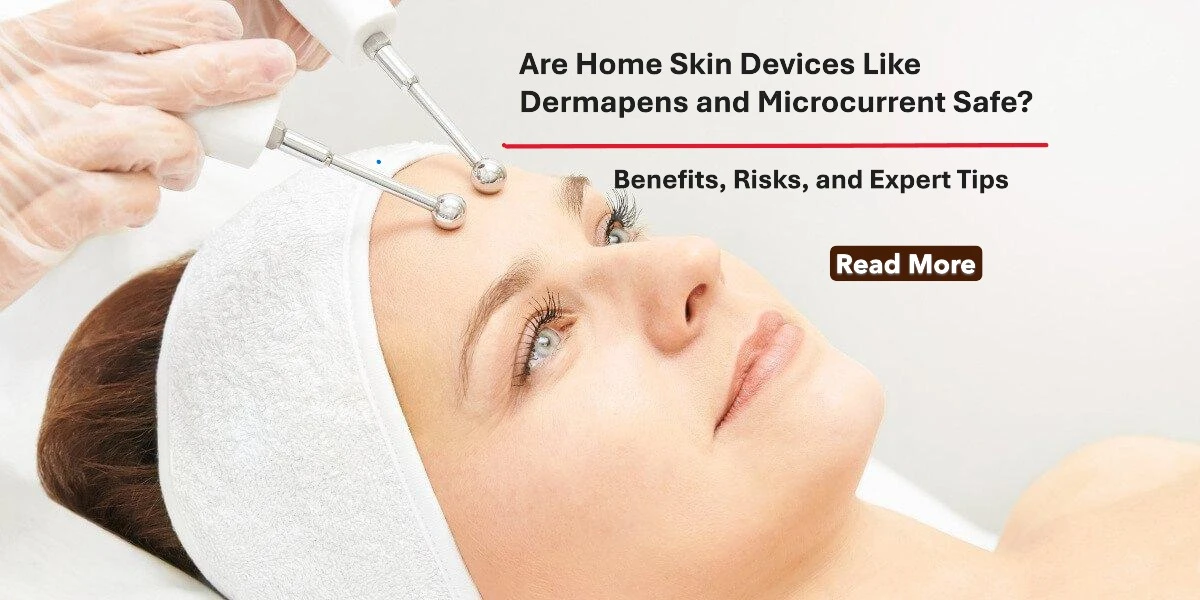
Are Home Skin Devices Like Dermapens and Microcurrent Safe? Benefits, Risks, and Expert Tips
Are Home Skin Devices Like Dermapens and Microcurrent Safe? Benefits, Risks, and Expert Tips
The rise of high-tech beauty has brought professional-grade skincare devices into the comfort of our homes. From dermapens and microcurrent tools to LED masks and ultrasonic exfoliators, at-home skin devices promise salon-level results — without the high price tag. But are they really safe to use without professional guidance? The answer: yes, but with caution.
Let’s break down the benefits, risks, and expert tips for safely using home skin devices.
Benefits of At-Home Skincare Devices
-
Convenience and Cost Savings
At-home devices allow you to maintain your skin between clinic visits or even replace some professional treatments altogether. Over time, they can save money and eliminate the need for regular appointments. -
Improved Skin Texture and Tone
Devices like dermapens (microneedling pens) can stimulate collagen, improve scars, and boost product absorption. Microcurrent tools help tone facial muscles, lift sagging areas, and improve circulation. -
Customizable Treatments
You can tailor your routine to your schedule and skin needs, whether that’s a weekly collagen-boosting session or a quick under-eye treatment. -
Non-Invasive Technology
Most home devices are designed to be gentler than in-office tools, minimizing downtime and making treatments easier to fit into daily life.
Common Home Devices and What They Do
-
Dermapens / Microneedling Pens: Create micro-injuries to stimulate collagen production.
-
Microcurrent Devices: Use low-level electrical currents to firm and tone facial muscles.
-
LED Light Therapy Masks: Use red, blue, or other wavelengths to treat acne, inflammation, or signs of aging.
-
Ultrasonic Scrubbers: Use vibration to deep-clean pores and remove dead skin.
-
At-home Lasers or IPL: Target pigmentation, fine lines, or hair removal.
Risks and Safety Concerns
-
Skin Damage
Improper use of dermapens, especially with the wrong needle depth or dirty equipment, can lead to scarring, infection, or worsened skin texture. -
Overuse
Frequent or aggressive use of devices can compromise the skin barrier, leading to redness, sensitivity, and breakouts. -
Infection Risk
Tools that break the skin (like microneedling pens) must be sterilized properly before and after use to avoid bacteria entering the skin. -
Not Suitable for All Skin Types
Conditions like active acne, rosacea, eczema, or very sensitive skin may worsen with certain devices. Always check device guidelines and consult a dermatologist if unsure.
Expert Tips for Safe Use
-
Start Slow: Introduce new devices gradually — once or twice a week at first.
-
Read the Manual: Follow the manufacturer’s instructions carefully.
-
Keep it Clean: Sanitize devices before and after use, especially those that touch or puncture the skin.
-
Avoid Combining Too Many Treatments: Don’t use intense actives (like retinol or AHAs) on the same day as device treatments.
-
Patch Test: Always test a small area before full-face use.
Final Thoughts
Home skincare devices can be safe and effective — when used correctly. The key is understanding your skin, using the right tools for your needs, and practicing proper hygiene and care. While not a replacement for professional treatments in every case, these devices can be powerful allies in your skincare journey when approached with knowledge and caution.
Related Blog
What Causes Oily Skin and Can It Be Managed Naturally? Exploring Root Causes and Gentle Solutions
Aug 2, 2025 by Admin
General
What Are the Signs That You Have Sensitive Skin? Key Symptoms to Help You Identify This Delicate Skin Type
Aug 1, 2025 by Admin
General