
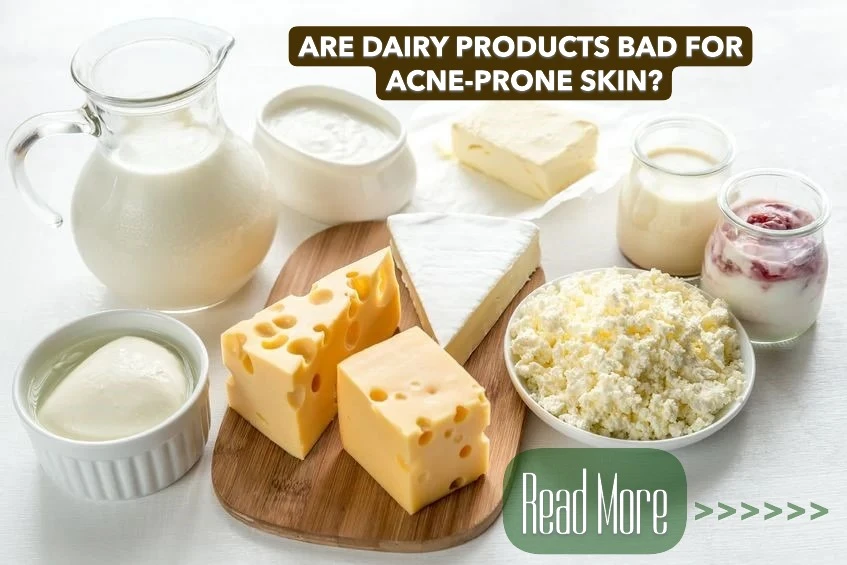
Are Dairy Products Bad for Acne-Prone Skin? Uncovering the Truth Behind the Breakout Connection
Are Dairy Products Bad for Acne-Prone Skin? Uncovering the Truth Behind the Breakout Connection
Acne is a complex skin condition influenced by hormones, genetics, lifestyle, and diet. Among the many dietary factors discussed, dairy products often come under scrutiny for their potential to trigger or worsen acne, especially for those already prone to breakouts. But what does science really say about this connection? Let’s take a closer look at how dairy might affect acne-prone skin.
Understanding the Dairy–Acne Debate
The idea that dairy causes acne isn’t new. Over the years, several observational studies have reported a link between high dairy consumption and increased risk of acne, particularly among adolescents. However, it’s important to note that these studies show correlation, not direct causation. This means dairy might not directly cause acne for everyone, but it could contribute to breakouts in people who are already predisposed.
Why Dairy Might Contribute to Breakouts
1. Hormonal Content:
Milk naturally contains hormones such as insulin-like growth factor-1 (IGF-1) and precursors to androgens, which can stimulate oil glands in the skin. Increased oil production can clog pores and create an environment where acne-causing bacteria thrive.
2. Impact on Insulin Levels:
Consuming dairy, especially skim milk, may raise insulin levels. Higher insulin can increase IGF-1 production in the body, promoting inflammation and excess sebum (oil) production, which may lead to more breakouts.
3. Inflammatory Response:
Some people may have a sensitivity or mild allergy to dairy proteins like casein or whey. This can trigger an inflammatory response in the body, which might show up as redness, swelling, and acne flare-ups on the skin.
Is All Dairy Equally Problematic?
Interestingly, not all dairy products have the same effect. Research suggests that skim milk is more strongly associated with acne than whole milk, possibly due to the processing methods or added ingredients. Fermented dairy products like yogurt and kefir, which contain probiotics, may actually help some people by supporting gut health and reducing inflammation.
High-fat cheeses and butter are less frequently linked to acne, but everyone’s skin reacts differently. Paying attention to your own skin’s response is key.
Should You Cut Out Dairy Completely?
Eliminating dairy might not be necessary for everyone. Some people notice clearer skin after reducing or removing dairy, while others see no difference. If you suspect dairy could be affecting your skin:
-
Try an elimination test: Remove dairy from your diet for about 3–4 weeks and observe your skin’s response.
-
Reintroduce slowly: Add back small amounts to see if breakouts return.
-
Choose alternatives: Consider plant-based milks like almond, oat, or soy, but check labels for added sugars and other ingredients that might also trigger breakouts.
Bottom Line
The relationship between dairy and acne isn’t straightforward and varies from person to person. For some with acne-prone skin, dairy may contribute to breakouts due to its hormonal effects and potential to increase inflammation. For others, it may have little to no impact.
If you’re struggling with persistent acne, it can help to track your diet, consult a dermatologist, and work with a nutritionist to find what’s best for your skin and overall health. By understanding your body’s unique reactions, you can make choices that help keep your skin clearer and healthier.
Related Blog
What Causes Oily Skin and Can It Be Managed Naturally? Exploring Root Causes and Gentle Solutions
Aug 2, 2025 by Admin
General
What Are the Signs That You Have Sensitive Skin? Key Symptoms to Help You Identify This Delicate Skin Type
Aug 1, 2025 by Admin
General